

Businesses of all sizes are seeking talented individuals who can help them navigate the complex world of online marketing, making it an opportune time to venture into digital marketing freelancing.
The good news? Prior experience isn’t necessarily a barrier to entry. With dedication, continuous learning, and strategic planning, you can build a successful digital marketing freelance career from scratch. Unlike traditional career paths, freelancing offers unparalleled flexibility, autonomy, and diverse opportunities to work with clients across various industries.
Whether you’re looking to escape the 9-to-5 grind, supplement your income, or completely transform your career path, digital marketing freelancing presents a viable option—even for beginners.

Freelance digital marketing involves offering specialized online marketing services to clients on a contract or project basis, rather than working as a full-time employee. As a digital marketing freelancer, you serve as an independent contractor, providing expertise to help businesses enhance their online presence, attract potential customers, and drive growth.

Digital marketing encompasses a broad range of activities, and as a freelancer, you might handle various tasks depending on your expertise and client requirements:
Before diving into freelance digital marketing, it’s important to understand both the advantages and challenges:
Advantages:
Challenges:
Understanding these realities will help you prepare for the freelancing journey and develop strategies to maximize benefits while minimizing challenges.
The foundation of your freelance career begins with developing a solid understanding of digital marketing principles. Fortunately, there are numerous resources available—many free or affordable—to help you build this knowledge:
Free Resources:
Paid Resources:
Focus on understanding core concepts like marketing funnels, buyer personas, conversion optimization, and digital analytics. These fundamental principles transcend specific tactics and provide a solid framework for your marketing approach.
While it might be tempting to position yourself as a jack-of-all-trades, specializing in a specific area of digital marketing often leads to greater success. Selecting a niche allows you to:
Consider these popular digital marketing niches:
When selecting your niche, consider both market demand and your personal interests. Ideally, your chosen specialization should have sufficient client demand while aligning with your strengths and passions. This intersection creates the sweet spot for a sustainable and enjoyable freelance career.
Theory is important, but practical experience is invaluable. Without prior work experience, you’ll need to get creative about building hands-on skills:
Personal Projects:
Volunteer Work:
Friends and Family Businesses:
Each project, no matter how small, provides valuable learning opportunities and tangible examples of your work to show potential clients.
A strong portfolio is crucial for attracting clients, especially when you lack formal experience. Your portfolio should showcase your skills, approach, and results:
Essential Portfolio Elements:
Create a personal website to host your portfolio, making it easy for potential clients to discover your work. Ensure your website itself demonstrates good design and user experience principles, as it serves as a living example of your digital marketing capabilities.
For each project in your portfolio, emphasize measurable results whenever possible. For example, instead of simply stating “Improved social media presence,” specify “Increased Instagram followers and engagement by 45% over three months through strategic content planning and community management.”
Industry certifications provide validation of your skills and knowledge, helping to bridge the gap created by lack of formal experience:
Valuable Digital Marketing Certifications:
Many of these certifications are free or relatively inexpensive but carry significant weight with potential clients. They demonstrate your commitment to professional development and adherence to industry best practices.
When displaying certifications, focus on those most relevant to your chosen niche. Quality matters more than quantity—a few well-chosen certifications that align with your services will be more impressive than a long list of unrelated credentials.
As a digital marketer, your online presence serves as both a marketing tool and a demonstration of your capabilities:
LinkedIn Optimization:
Community Engagement:
Consistent activity across these platforms helps build your personal brand and positions you as a knowledgeable professional in your field. Remember that every interaction is an opportunity to showcase your expertise and potentially attract clients.
With your foundation in place, it’s time to actively pursue client opportunities:
Freelance Platforms:
Direct Outreach:
Networking:
When pitching to potential clients, focus on the value you can provide rather than your lack of experience. Demonstrate your understanding of their specific challenges and present clear, actionable solutions that align with their business goals.
To operate professionally and efficiently, establish proper business systems:
Business Structure:
Pricing Strategy:
Client Management:
While these operational aspects might seem secondary to the actual marketing work, they’re crucial for creating a sustainable business. Professional systems build trust with clients and streamline your workflow, allowing you to focus on delivering excellent results.

As a freelance digital marketer, knowing where to find the right job opportunities is just as important as building your skills. The digital freelancing space is vast, and your ideal clients could be looking for you on multiple platforms. Here are some of the most effective places to find freelance digital marketing jobs:
1. Freelance Marketplaces
These platforms connect freelancers with clients for both short-term and long-term projects:
Upwork – Best for finding ongoing marketing gigs with international clients.
Fiverr – Great for offering packaged services (like SEO audits, content writing, or ad management).
Freelancer.com – Ideal for bidding on projects across various niches.
PeoplePerHour – UK-based but open globally, suitable for building hourly contracts.
2. Job Boards
Some companies post freelance or contract-based digital marketing roles on job boards:
We Work Remotely
Remote OK
Hubstaff Talent
AngelList (for startups)
Toptal (for experienced professionals)
3. Niche Marketing Platforms
If you’re focused on specific niches like SEO or social media, try:
MarketerHire
Growth Collective
SEOClerk – For SEO-specific freelance tasks.
Contra – Popular among creators and digital marketers.
4. LinkedIn Jobs
Use LinkedIn to search for freelance or contract digital marketing roles. Use keywords like “freelance digital marketing,” “remote content strategist,” or “SEO consultant” and filter results by job type and location. Consistently posting content on your profile can also attract inbound leads.
5. Facebook and Slack Groups
Join active communities where businesses and freelancers network:
Facebook Groups like Freelance Digital Marketing or Digital Marketing Jobs
Slack communities like Online Geniuses, Traffic Think Tank, or niche-specific channels

Freelance digital marketing salaries vary widely depending on factors like skill level, niche, location, and the type of clients you serve. As a beginner, you may start with smaller projects, but your income can grow significantly as you build a portfolio and gain experience.
Here’s a general breakdown:
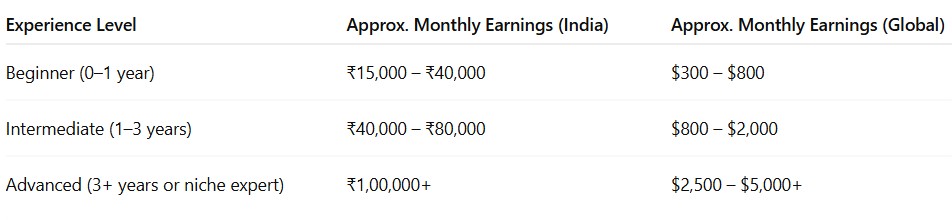
Geography: Freelancers serving global clients often earn more than those working only with local businesses.
Results: If you deliver measurable ROI (traffic, leads, revenue), you can charge premium rates.
Reputation & Referrals: Positive reviews and a strong personal brand attract higher-paying clients.
Over time, many freelancers transition to retainers, agency models, or consulting roles—all of which can multiply income streams.
Familiarize yourself with industry-standard tools that will enhance your efficiency and effectiveness:
Analytics and SEO:
Content Creation:
Social Media Management:
Email Marketing:
Start with free versions when possible, and invest in paid tools as your business grows and specific needs become clear.
Efficient project management is essential for handling multiple clients and deadlines:
These tools help you stay organized, meet deadlines, and maintain a professional service level even as your client roster grows.
Clear, efficient communication is the backbone of successful client relationships:
Establish communication protocols with each client, setting expectations for response times, meeting frequency, and preferred channels.
The digital marketing landscape evolves rapidly, making ongoing education essential:
Staying current with trends and platform changes ensures your services remain relevant and effective.
Long-term clients provide stable income and referrals:
Building strong relationships turns one-time projects into ongoing collaborations and creates advocates who recommend your services to others.
As you gain experience and confidence, consider strategic growth:
Growth should be intentional and aligned with your vision for your business. Some freelancers prefer to remain solo practitioners with a limited client base, while others aspire to build agencies or consultancies.
Becoming a successful digital marketing freelancer without prior experience is absolutely achievable with dedication, strategic planning, and persistence. The path may involve challenges, particularly in the beginning, but the rewards—flexibility, autonomy, diverse opportunities, and income potential—make it worthwhile for many.
Remember that every established freelancer once started as a beginner. What sets successful freelancers apart is their commitment to continuous improvement, willingness to learn from setbacks, and determination to deliver value to their clients.