
A well-planned email marketing campaign can nurture leads, increase customer retention, and drive conversions. Companies that leverage data-driven strategies and automation tools can enhance customer engagement and build long-term relationships.
This blog will explore the essential elements of an effective email marketing campaign, highlight best practices, and present a case study on Amazon’s success in using email marketing to boost sales and customer engagement.
An email marketing campaign is a series of strategically planned emails sent to a specific audience to achieve a defined business goal. Whether promoting a product, sharing valuable content, or nurturing customer relationships, a campaign serves as a direct communication channel between businesses and their audience.
Dropbox used a simple yet effective re-engagement email campaign to bring back inactive users. With minimal copy, a clean design, and a strong CTA, they successfully reminded users of their stored files and encouraged them to log back in.
BuzzFeed leverages engaging and shareable content to keep their audience entertained. Their emails are tailored based on user preferences, ensuring recipients receive articles and quizzes that match their interests.
Uber sends automated emails with trip summaries, payment receipts, and promotional offers based on user behavior. These transactional emails enhance the customer experience while subtly encouraging users to ride more often.
Amazon excels in personalized email marketing by recommending products based on past purchases and browsing history. Their algorithm-driven emails increase customer retention and drive sales.
Nike uses urgency-driven email marketing campaigns featuring limited-time offers and exclusive member deals. Their visually appealing emails and strong CTAs create a sense of urgency, prompting immediate action.
Segmentation involves categorizing subscribers based on demographics, purchase history, engagement level, and interests. This ensures that each recipient receives content relevant to their needs, boosting engagement and conversion rates.
An email campaign thrives on engaging content. The subject line should be attention-grabbing, while the body must deliver value, whether through informative articles, exclusive discounts, or personalized recommendations.
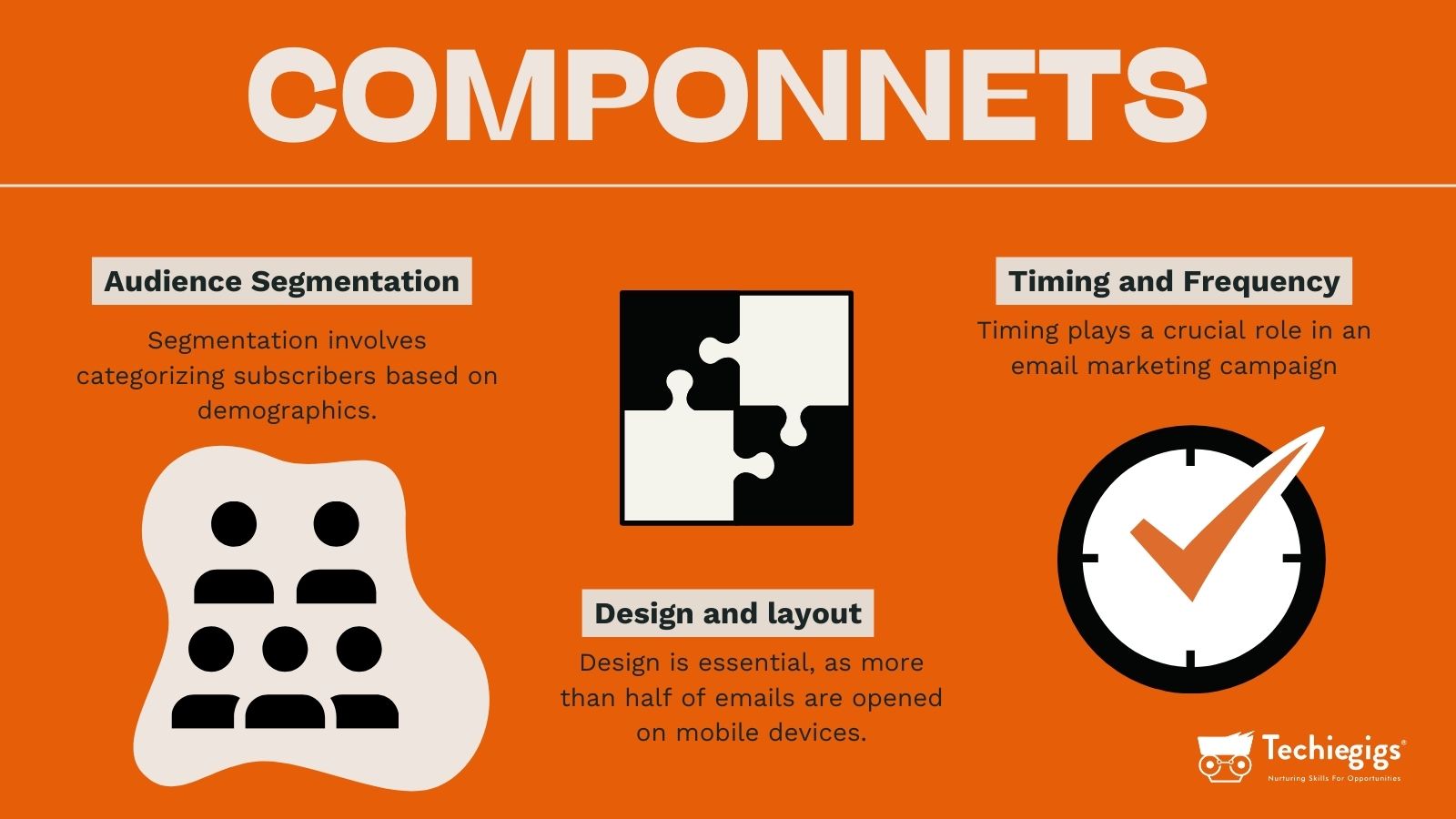
A mobile-friendly design is essential, as more than half of emails are opened on mobile devices. A clean layout, with well-placed images and concise copy, enhances readability and user experience.
A compelling CTA directs recipients toward the desired action, whether purchasing a product, signing up for a webinar, or reading a blog post. Strong, action-oriented language increases click-through rates.
Timing plays a crucial role in an campaign. Studies show that emails sent on Tuesday and Thursday mornings often perform best. However, A/B testing different send times helps determine the most effective timing for your audience.
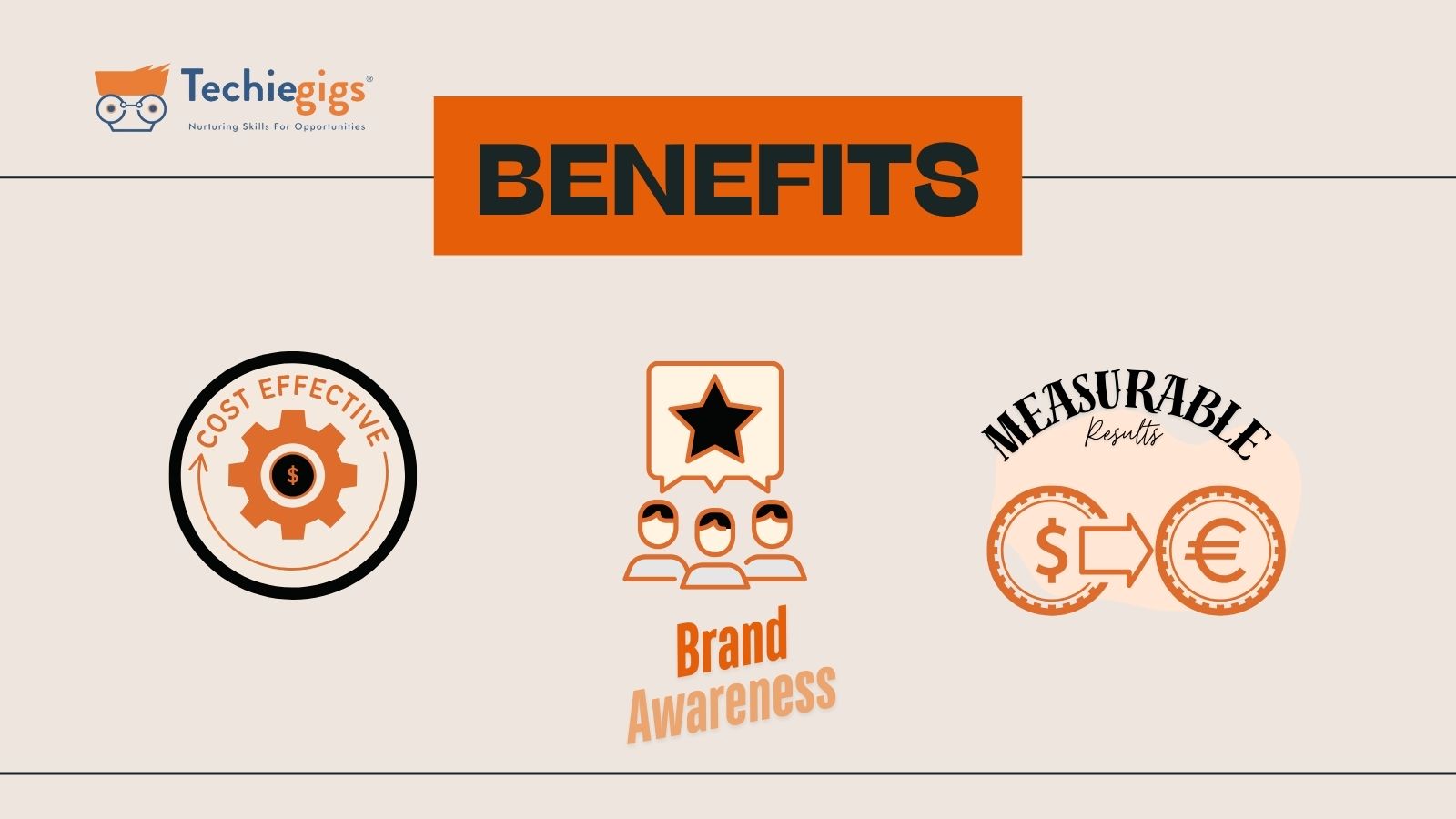
A well-executed email marketing campaign offers several advantages:
Background
Amazon, the global e-commerce giant, is known for its data-driven marketing strategies. Email marketing plays a significant role in Amazon’s ability to engage customers, drive sales, and enhance customer retention. By leveraging personalized email campaigns, Amazon has successfully maximized customer engagement and revenue.
Challenge
Despite its dominance in the online retail market, Amazon needed a way to ensure customers returned for repeat purchases. With millions of users browsing daily, the company faced the challenge of converting casual visitors into loyal customers and re-engaging inactive users.
Strategy Implemented
To tackle this challenge, Amazon implemented a highly personalized and automated campaign:
1. Behavioral-Triggered Emails – Amazon tracks user activity, such as searches, wishlist additions, and cart abandonment, to send timely follow-up emails encouraging purchases.
2. Personalized Product Recommendations – Using AI-powered analytics, Amazon suggests products based on customers’ previous purchases and browsing history.
3. Abandoned Cart Recovery Emails – If a user adds items to their cart but doesn’t complete the purchase, Amazon sends reminder emails with incentives like discounts or free shipping.
4. Limited-Time Offer Emails – To create urgency, Amazon regularly sends emails featuring flash sales and exclusive discounts to encourage immediate action.
5. Post-Purchase Emails – Amazon enhances customer experience by sending order confirmation, delivery updates, and related product suggestions.
Results
Amazon’s email marketing strategy led to:
Amazon’s success demonstrates the power of a well-executed email marketing campaign, proving that personalization, automation, and strategic follow-ups can drive engagement and revenue growth.
A successful email marketing campaign requires strategic planning, engaging content, and continuous optimization. By implementing best practices, avoiding common pitfalls, and leveraging personalization, businesses can drive higher engagement and conversions. Learning from real-world success stories, like Airbnb’s case study, provides valuable insights for improving your own campaigns.