
Imagine running a profitable online store without ever worrying about stocking inventory, managing warehouses, or dealing with shipping logistics. Sounds too good to be true? Welcome to the world of dropshipping—a business model that allows you to sell products directly to customers while third-party suppliers handle fulfillment.
With the rise of eCommerce, dropshipping has become a game-changer for aspiring entrepreneurs looking for a low-investment, high-scalability business model. But before you dive in, it’s essential to understand the ins and outs of this industry. From choosing the right platform to avoiding common pitfalls, this guide will walk you through everything you need to know.
In this blog, we will compare insights from top platforms like Amazon, BigCommerce, Mailchimp, Flipkart, and Wix, providing you with a well-rounded understanding of dropshipping. Whether you’re just starting out or refining your strategy, this article will equip you with the knowledge to build a successful dropshipping business, especially in India.
Ready to unlock the potential of dropshipping? Let’s get started!
Dropshipping is a retail fulfillment method where a store does not keep the products it sells in stock. Instead, when a store sells a product, it purchases the item from a third-party supplier, who then ships it directly to the customer. As a result, the retailer never sees or handles the product. This model allows entrepreneurs to run an eCommerce business without the overhead costs associated with inventory storage and management.
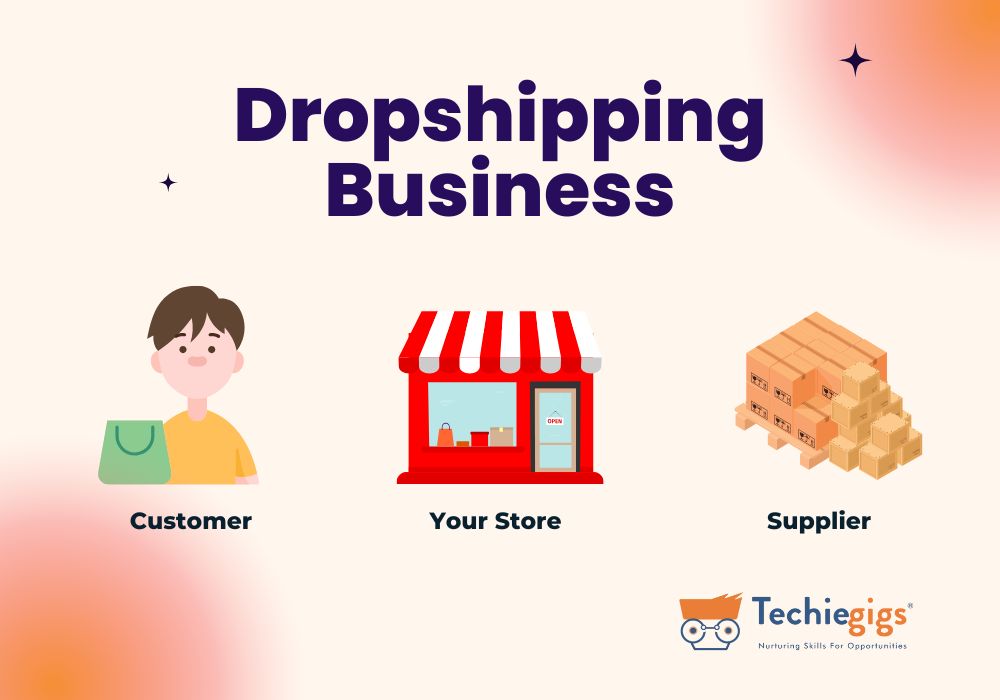
One of the main advantages of dropshipping is its low entry barrier. Since there’s no need to purchase inventory upfront, entrepreneurs can test multiple product ideas without significant financial risk. Additionally, dropshipping allows businesses to offer a wide variety of products without worrying about stocking or managing a physical inventory.
However, this business model does have its challenges. Margins tend to be lower compared to traditional retail due to intense competition, and store owners rely heavily on third-party suppliers for quality control and timely deliveries. Additionally, customer service management can be complex when dealing with multiple suppliers
India’s growing digital economy and increasing online consumer base make it a fertile ground for dropshipping businesses. The country has a diverse eCommerce landscape, with platforms like Flipkart, Amazon India, Shopify, and Meesho offering Indian entrepreneurs opportunities to start a dropshipping venture.
Dropshipping in India operates similarly to global markets, with one key difference—localization. Indian entrepreneurs must consider factors such as:
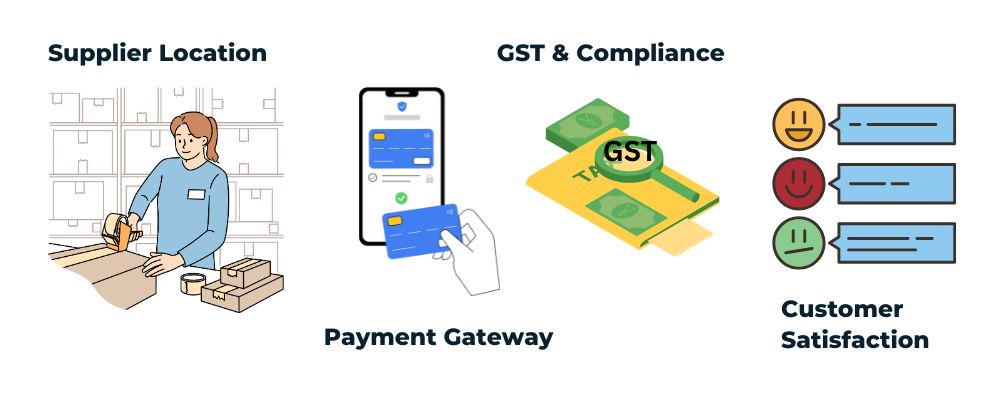
Indian sellers can either use international dropshipping suppliers like AliExpress and CJ Dropshipping or collaborate with Indian wholesalers and manufacturers. Local suppliers often provide better control over product quality and shipping timelines, improving customer satisfaction rates.
With increasing internet penetration and digital payment adoption, the dropshipping business in India presents a lucrative opportunity for aspiring entrepreneurs. However, success in this model requires strategic product selection, a reliable supplier network, and strong digital marketing tactics to reach and convert potential customers.
2. Wide Product Variety : One of the most attractive aspects of dropshipping is the ability to offer a diverse range of products without physically stocking them. Sellers can test multiple product categories, introduce new items quickly, and cater to varying customer demands. This flexibility makes it easier to adapt to market trends and consumer preferences.
3. Scalability & Easy Setup : Unlike traditional retail businesses that require substantial investment in infrastructure, dropshipping allows businesses to scale without logistical constraints. Wix provides a structured roadmap for setting up an online store, integrating supplier networks, and automating order fulfillment, making it easier for entrepreneurs to launch and grow their businesses.
4. Platform-Specific Benefits : Indian sellers can leverage Flipkart’s well-established eCommerce ecosystem to tap into a vast customer base. By using Flipkart’s dropshipping model, sellers can focus on marketing and sales while the platform takes care of fulfillment. This can be particularly beneficial for new entrepreneurs who may not have access to independent warehousing and logistics solutions.
Despite its numerous advantages, dropshipping also comes with challenges that businesses need to be aware of.
While dropshipping presents exciting opportunities, success depends on how well businesses navigate these challenges. By carefully selecting suppliers, optimizing operational processes, and leveraging effective marketing strategies, entrepreneurs can build a sustainable and profitable dropshipping business.
If you’re looking to start a dropshipping business, follow this structured approach inspired by Wix’s step-by-step process.
The foundation of a successful dropshipping business starts with choosing the right niche. Conduct in-depth market research to identify high-demand products with low competition. Use tools like Google Trends, Amazon Best Sellers, and Flipkart’s trending products to spot profitable opportunities. Consider factors such as:
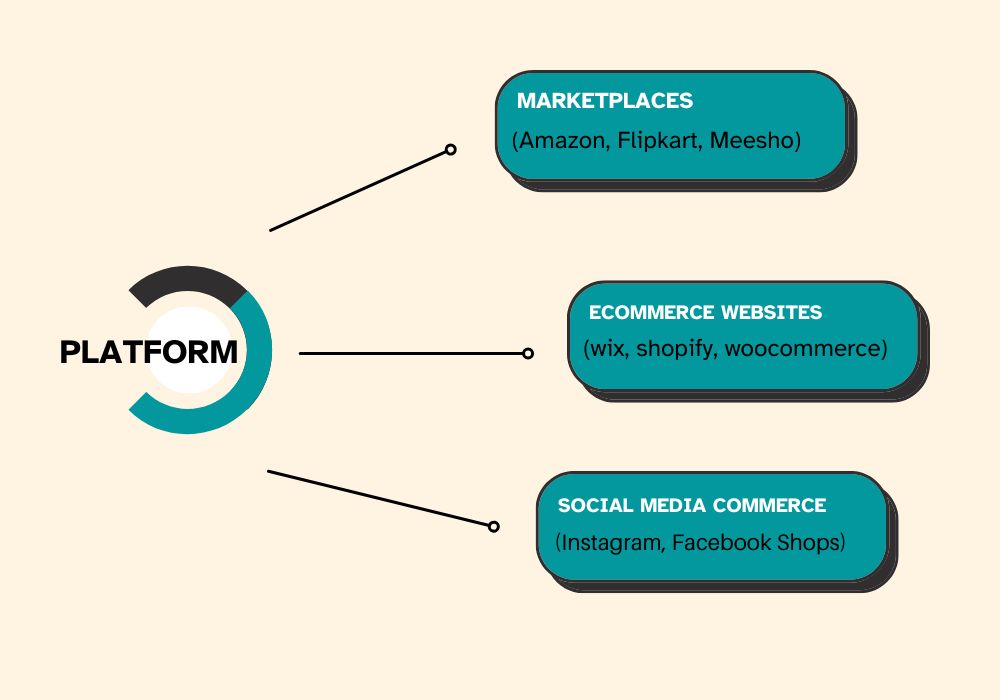
Decide where you want to sell your products. Your options include:
Each platform has its own benefits and limitations, so choose based on your business goals and expertise.
A successful dropshipping business depends on trustworthy suppliers who can provide quality products, timely shipping, and good customer service. Consider sourcing from:
When selecting a supplier, evaluate:
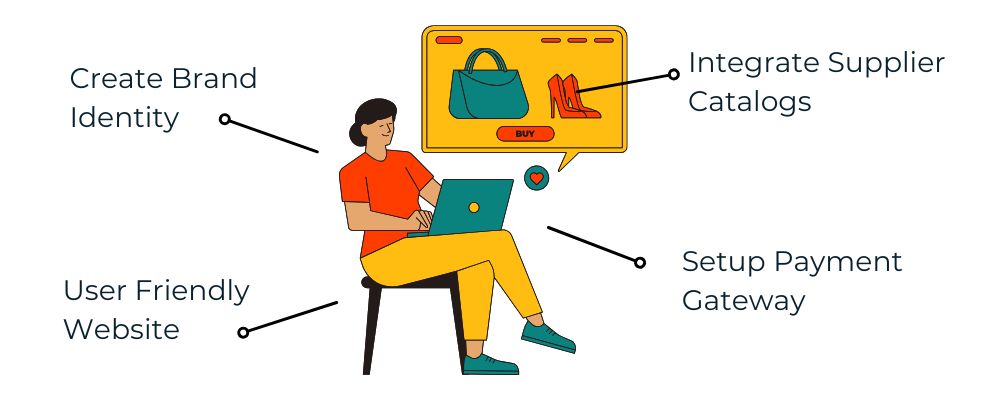
If you opt for an independent eCommerce store, follow these steps:
To drive traffic and convert visitors into customers, focus on digital marketing strategies such as:
Maintaining a seamless order fulfillment process and providing excellent customer service are critical to long-term success.
By following these steps, you can build a profitable dropshipping business that operates efficiently and delivers excellent customer experiences.
Dropshipping in India requires specific strategies and compliance with legal guidelines. Here’s how to get started:
Conduct in-depth research using Google Trends, Flipkart Bestsellers, and Amazon India’s trending products section. Analyze consumer preferences, competition, and seasonal demand. Consider products with a consistent sales history, low return rates, and high customer interest.
Choosing the right supplier is crucial for a successful dropshipping business in India. Options include:
Before finalizing a supplier, check:
For Indian entrepreneurs, choosing the right platform is critical:
To attract traffic and convert visitors into buyers, implement:
By following these steps, you can create a scalable and profitable dropshipping business in India.
Choosing the right platform for dropshipping depends on your business model, target audience, and operational goals. Below is a detailed comparison of the major platforms to help you make an informed decision:

2. BigCommerce

3. Mailchimp

4. Flipkart

5. Wix

By selecting the right platform, businesses can optimize their dropshipping model for efficiency, profitability, and long-term success.
With the right approach, dedication, and knowledge, dropshipping can become a profitable and sustainable online business. Are you ready to start your journey?
By following this SEO-optimized and well-structured guide, you can build a successful dropshipping business tailored to your needs. Let me know if you need further refinement or additional insights!