Key Performance Indicator (KPI) is not just numbers; they are a reflection of your digital marketing performance and can help you make data-driven decisions. Whether you are running a small business or managing a large corporate marketing budget, understanding and leveraging KPIs can help you maximize your return on investment (ROI) and stay ahead of your competition.
In this blog, we will explore what KPIs are, their importance in digital marketing, types of KPIs you should consider, how to select the right KPIs for your business, tools to track them, and much more. Let’s dive into how KPIs can revolutionize your digital marketing approach.
Key Performance Indicators (KPIs) are crucial to the success of any digital marketing strategy. They help marketers understand how well their campaigns are performing against pre-defined objectives. Below are some reasons why KPIs are essential for digital marketing:
KPIs provide real-time insights into how well a marketing strategy is performing. Whether it’s tracking website traffic, conversion rates, or social media engagement, KPIs help marketers stay on top of the metrics that matter most.
With KPIs, businesses can measure their success based on their goals. Whether you’re aiming to increase brand awareness, drive traffic, or generate leads, KPIs offer measurable evidence of your campaign’s effectiveness.
KPIs allow digital marketers to rely on data, not guesswork. With data-backed insights, marketers can optimize their strategies, tweak their approach, and make informed decisions to ensure greater success.
KPIs help align marketing strategies with the broader goals of the business. Whether your company is focused on customer acquisition, retention, or expanding into new markets, the right KPIs ensure marketing efforts stay on track.
KPIs allow you to identify areas of improvement within a campaign. If a certain metric isn’t performing as expected, it’s a signal to adjust your tactics and ensure that your marketing efforts are not wasted.
One of the most challenging aspects of digital marketing is proving the return on investment. KPIs help track metrics that directly contribute to revenue, ensuring that marketers can demonstrate how their campaigns generate tangible results.
Digital marketing encompasses a wide range of activities, and therefore, the KPIs used to track success can vary depending on the campaign objectives. Here are some of the most common types of KPIs used in digital marketing:
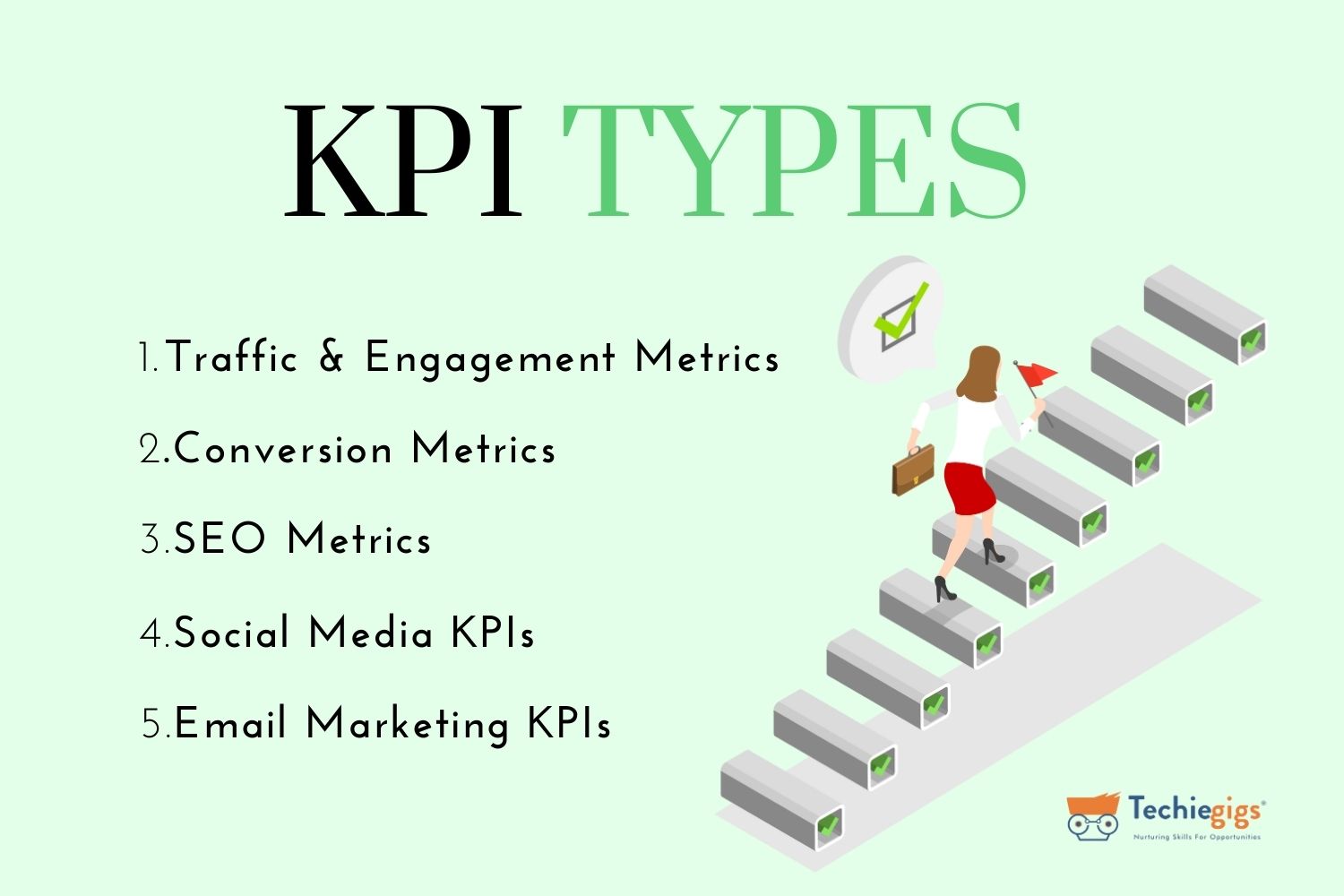
Choosing the right KPIs is critical for measuring the success of your digital marketing efforts. The wrong KPIs can lead to misleading insights, which could result in poor decision-making. Here’s how to select the right KPIs for your business:

Your KPIs should align with your business goals. For example, if your goal is to increase brand awareness, metrics like social media reach and organic search traffic are relevant. If your goal is to drive conversions, focus on metrics like conversion rates, lead generation, and CPA.
Choose KPIs that provide actionable insights. For instance, tracking website traffic alone is not enough; you should pair it with metrics like conversion rates and engagement rates to understand the quality of the traffic.
Instead of tracking every possible metric, focus on a few key KPIs that are most impactful to your business. This allows you to stay focused and prevents data overload.
KPIs should have clear benchmarks and goals. For example, if your website traffic increases by 20% in a quarter, set a goal for a 10% increase in conversions from that traffic. Clear targets allow for easier tracking and optimization.
Regularly assess your KPIs to ensure they still align with your goals and strategy. As your business grows and evolves, your KPIs should evolve with it.
To effectively track your KPIs, you need the right set of tools. Fortunately, there are numerous digital marketing tools available that can help you track and analyze your KPIs. Some popular tools include:

A powerful free tool for tracking website traffic, conversions, and user behavior. Google Analytics helps you track visitor activity, bounce rates, conversion rates, and more.
An all-in-one SEO tool that helps you track keyword rankings, backlinks, and overall website performance. It provides valuable insights into your SEO campaigns.
HubSpot offers a suite of tools for inbound marketing, including CRM, email marketing, lead tracking, and reporting on marketing performance.
An excellent tool for social media monitoring and analytics. Sprout Social helps you track engagement, followers growth, social shares, and other important social media KPIs.
Popular for email marketing campaigns, Mailchimp helps track email open rates, CTR, and unsubscribe rates. It’s essential for analyzing email campaign performance.
Another excellent tool for managing social media, Hootsuite helps with content scheduling, tracking social media metrics, and analyzing campaign performance across multiple platforms.
While traditional KPIs focus on traffic, conversions, and engagement, behavioral KPIs offer deeper insights into how users interact with your brand. These metrics can help you optimize user experience and drive better results. Some key behavioral KPIs include:
This metric measures the total revenue you can expect from a customer over the course of their relationship with your brand. CLV is crucial for understanding the long-term value of each customer.
This KPI tracks the percentage of customers who return to your site or make repeat purchases. High retention rates often indicate strong customer satisfaction and brand loyalty.
Churn rate measures the percentage of customers who stop doing business with your brand. A high churn rate signals the need for improvement in customer service, product quality, or retention strategies.
While measuring impressions is important for brand awareness, it doesn’t paint the full picture. Impressions simply indicate how many times your content was viewed, but they don’t reflect the true impact on your business.
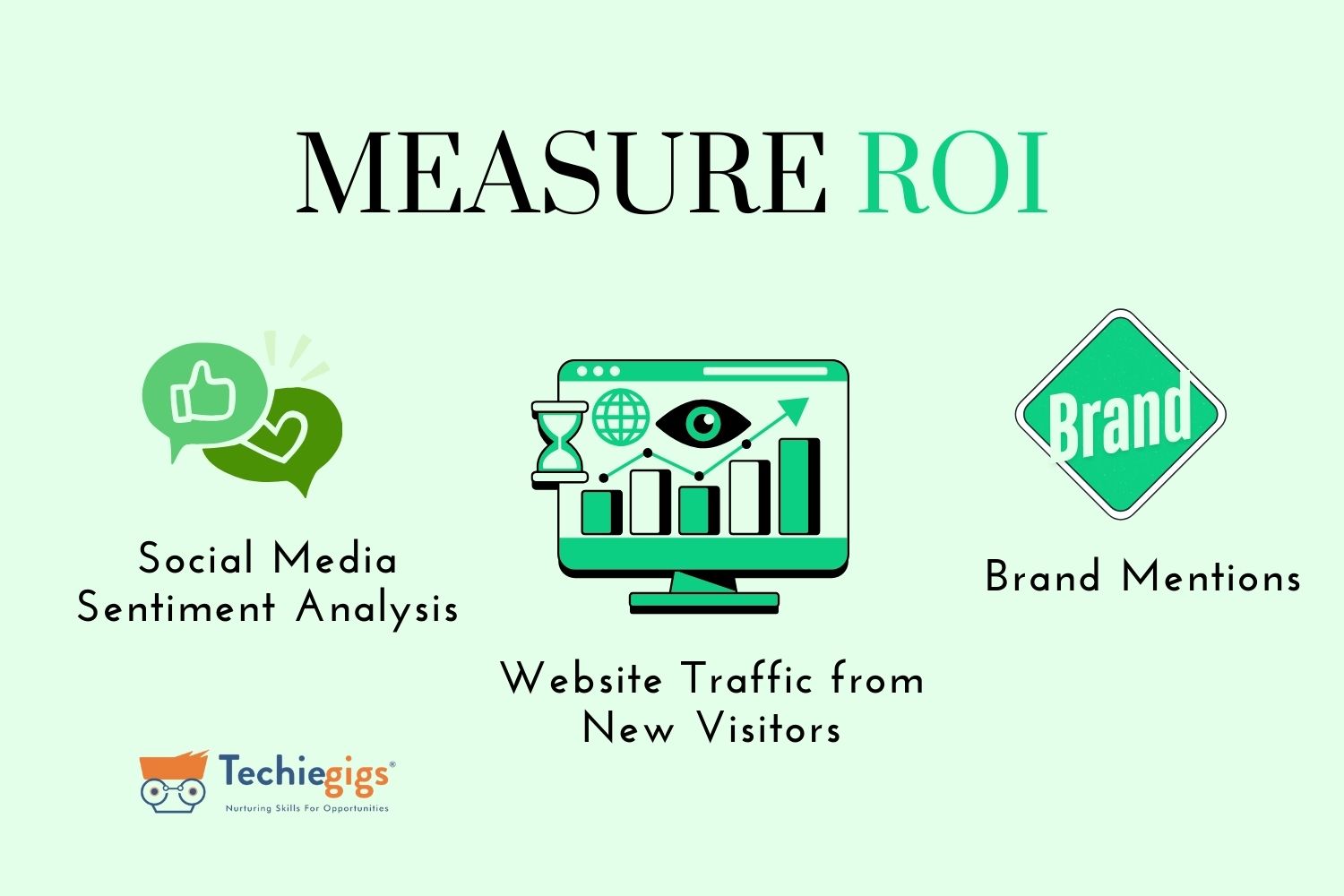
To measure the ROI of brand awareness, you should consider KPIs like:
Key Performance Indicators (KPIs) are essential for evaluating the success of your digital marketing campaigns. They provide measurable insights into how well your marketing efforts are aligning with your business goals and objectives. By selecting the right KPIs, using the right tools, and focusing on actionable data, you can optimize your strategies, prove ROI, and drive growth for your business.
Remember, KPIs are not just numbers—they are the foundation of data-driven decision-making. So, invest time in defining the right KPIs, track them regularly, and use the insights to make improvements that lead to long-term success.
By mastering the art of KPI tracking in digital marketing, your business will be on the path to achieving greater engagement, increased conversions, and overall digital marketing success.