
You have already used local SEO if you have ever searched for something like “best coffee shop near me” or “dentist in [your city]”. Local SEO is the key to being visible when locals need you most, which is crucial for small businesses and local service providers.
Understanding local SEO is now crucial, regardless of whether you own a bakery, salon, plumbing company, or any other type of physical business.
Regardless of your level of experience, let’s simplify things and assist you in getting started.
Local SEO (Local Search Engine Optimization) is the process of optimizing your online presence so your business appears in local search results. It’s especially useful for businesses that serve a specific geographic area—like cafes, salons, clinics, or repair services.
For example, when someone searches “best dentist near me” or “grocery store in Mumbai”, Local SEO helps your business show up in those results.
Focuses on local seo audiences
Targets a broader or global audience
Aims to show in Google Map Pack and local listings
Focuses on organic website ranking
Uses location-specific keywords like “near me” or city names
Uses broad or niche keywords without a location focus
Relies heavily on Google Business Profile
Relies on on-page SEO, backlinks, and content
Whether you’re a small business owner, a freelancer, or offering any local service—from salons to plumbing—Local SEO is your digital lifeline. Here’s why it truly matters, especially in today’s search-driven world:
Imagine someone is standing just a few blocks from your business and searching “best coffee shop near me”. With proper Local SEO, you could be the first result they see—and that could mean a new customer in minutes.
Local SEO ensures your business shows up exactly when and where people are looking for what you offer.
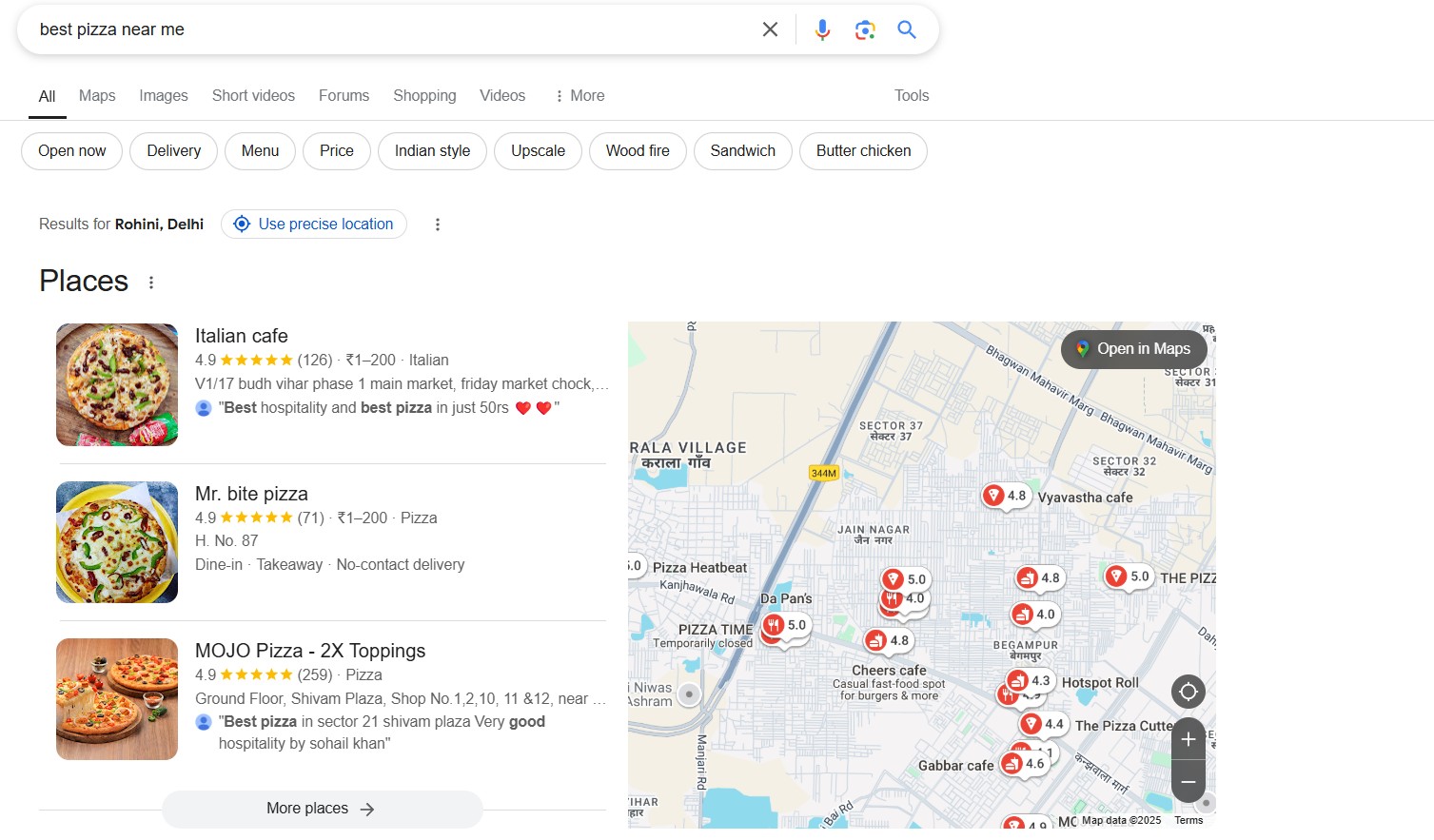
The trend is real—and growing fast.
These are high-intent searches—meaning the user is ready to take action, whether it’s calling, booking, or walking in.
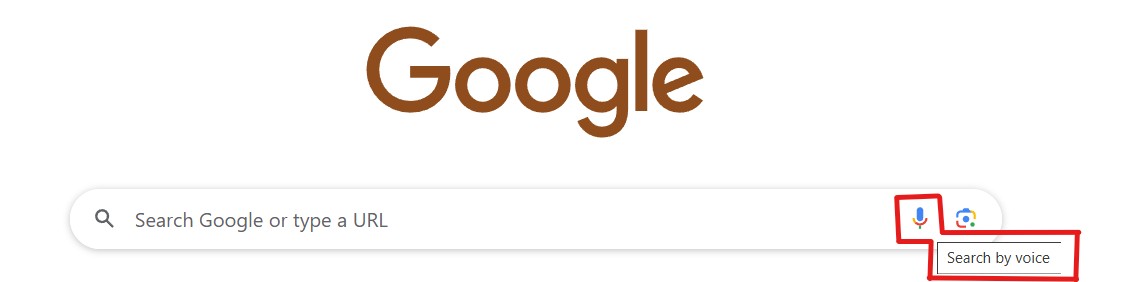
With the rise of voice assistants like Google Assistant, Siri, and Alexa, users now speak their searches instead of typing them. And guess what? A huge chunk of those voice searches are local in nature.
Examples:
Optimizing for Local SEO also means optimizing for voice search, giving you another edge in today’s mobile-first world.
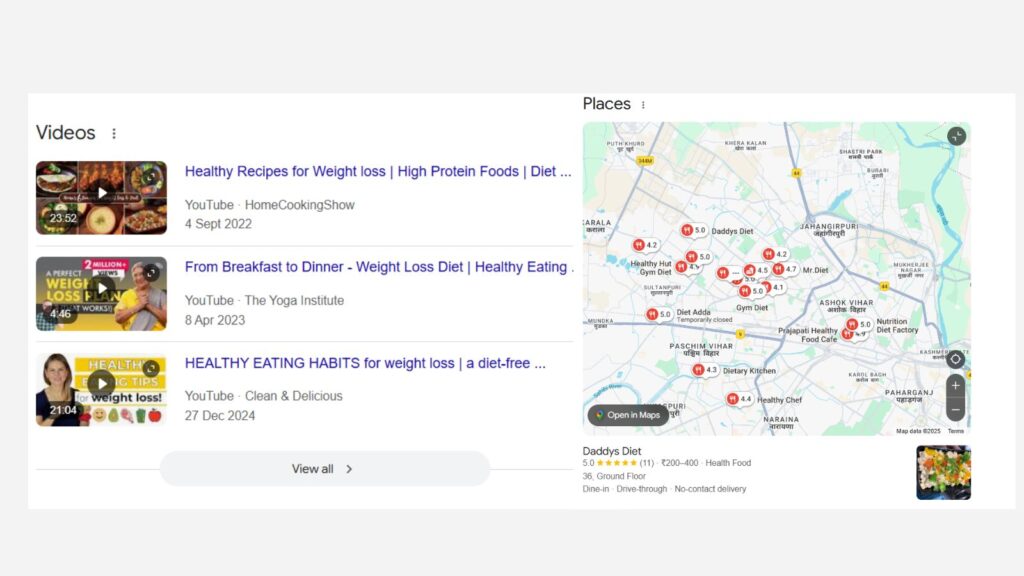
Appearing in Google’s Local Pack (the map section that shows up in local searches) instantly boosts your credibility. People trust businesses that:
When your business is easily found and has good reviews, customers feel confident choosing you over a competitor.
Unlike broad digital ads or general SEO, Local SEO often leads to faster conversions.
Why? Because someone searching for “haircut near me” is probably not doing research—they’re ready to visit or call right now.
So, the traffic you get from Local SEO is often:
Local SEO doesn’t require a big ad budget. With:
…you can start seeing real results—even with zero ad spend.
Many small businesses still haven’t optimized their Local SEO. This allows you to stand out early, even if your competitors have been around longer.
By showing up in maps, local listings, and voice search results, you’re already ahead of businesses that rely only on foot traffic or outdated word-of-mouth.
In recent years, the way people search online has drastically changed. It’s no longer just about typing “pizza” or “pharmacy”—people are now using specific, location-based phrases like:
This is known as a “near me” search, and it’s exploding in popularity.
Google has reported a 500%+ growth in “near me” and “near me now” searches in the past few years. These aren’t just casual searches—they’re usually made by people who:
That means if your business is optimized for Local SEO, you have a high chance of converting these users into paying customers.
Example: Let’s say you run a bakery in Jaipur. Someone walking nearby might search “fresh cake near me”. If your Google Business Profile is optimized, you could appear at the top of their results, bringing in a walk-in sale within minutes.
Alongside “near me” searches, voice search is quickly becoming the norm—especially on mobile devices and smart home assistants like:
In fact:
So instead of typing:
“plumber Delhi”
People might say:
“Who’s the best-rated plumber near me that’s available right now?”
This shift means your content and business listings need to be optimized for natural language and conversational keywords.

Use tools like Ubersuggest or Google Keyword Planner to find keywords that include your city or service area. Example: “wedding photographer in Gurgaon”.
Most trusted local business listing Sites to submit your Business.
Ask satisfied customers to leave reviews on your Google listing. Respond to all reviews—good or bad—with professionalism and gratitude.

If there’s one simple thing you can do today that can make a big difference in your local SEO, it’s this: Keep your NAP consistent everywhere online.
But First — What is NAP?
NAP stands for:
It’s the basic business info customers (and search engines) rely on to contact you or visit your location.
Imagine this:
On your website, your business name is “Elegant Hair Studio”
But on Facebook, it’s listed as “Elegant Hair Studios”
And on Google, the phone number is missing or incorrect.
That’s a red flag to search engines like Google. Inconsistent NAP tells them:
And that doubt can hurt your local rankings—even if everything else is optimized.
On the flip side, consistent NAP across all platforms boosts your credibility and tells Google:
“Yes, this is a real, trustworthy, local business.”
Everywhere your business appears online:
When it comes to standing out in search results, schema markup is like speaking Google’s language fluently. And for local businesses, Local Schema Markup is a hidden gem that can give you a serious edge.
Schema markup (also called structured data) is a piece of code you add to your website to help search engines better understand what your business is about.
Think of it like giving Google a cheat sheet:
“Hey Google, I’m a beauty salon in Pune. Here’s my opening hours, phone number, services, and reviews.”
Without schema, Google has to figure all this out from your website content. With schema, you just hand it over neatly.
Local Schema is a specific type of schema markup meant for local businesses. It includes information like:
Adding this markup tells search engines exactly who you are, what you do, and where you’re located.

Let’s be real:
We’re all talking to our phones and smart devices more than ever—
“Hey Siri, find a café near me”
“Okay Google, where can I buy flowers right now?”
“Alexa, what’s the best salon in [city]?”
This is voice search in action, and it’s becoming a major player in local SEO.
Translation?
Voice search = high-converting traffic.
Especially for local businesses.
When people use voice search, they speak naturally. That means:
So instead of typing:
“plumber Delhi”
They say:
“Who’s the best-rated plumber near me open on Sunday?”
If your business content isn’t optimized for this style, you may miss out.
Let’s break this down into easy-to-follow steps:
1️. Use Conversational Keywords
Instead of just targeting “salon in Mumbai,” add more natural-sounding phrases like:
These mimic real speech patterns.
2️. Create an FAQ Section on Your Website
Voice searches are often questions. Add a dedicated FAQ section that answers common voice-style queries like:
Google loves serving these straight from your site as voice answers or featured snippets.
3️. Claim & Optimize Your Google Business Profile
Most voice assistants pull local business info from Google. So:
4️. Ensure Mobile Friendliness
Most voice searches happen on mobile. If your site:
5️. Target “Near Me” Searches
Add natural “near me” phrases in your website content, like:
Google will connect the dots when someone nearby does a voice search.
Bonus Tip: Structure Content for Featured Snippets
Keep your answers:
Google often pulls from such sections for voice answers.
Local SEO might sound overwhelming at first, but when broken into small, manageable steps, it’s very beginner-friendly. The key is consistency and local relevance.
Start by claiming your Google Business Profile, do simple keyword research, and keep engaging with your local audience.
Need help with Local SEO? Let’s connect and get your business noticed in your neighborhood!