
In a world where attention is the new currency, influencer marketing has quickly become one of the most powerful tools in a brand’s digital arsenal. But as businesses dive into the influencer pool, one question often bubbles to the surface: Should you partner with micro-influencers or macro-influencers?
Both bring unique value to the table, but understanding the differences—and knowing which fits your business goals best—can make or break your campaign.
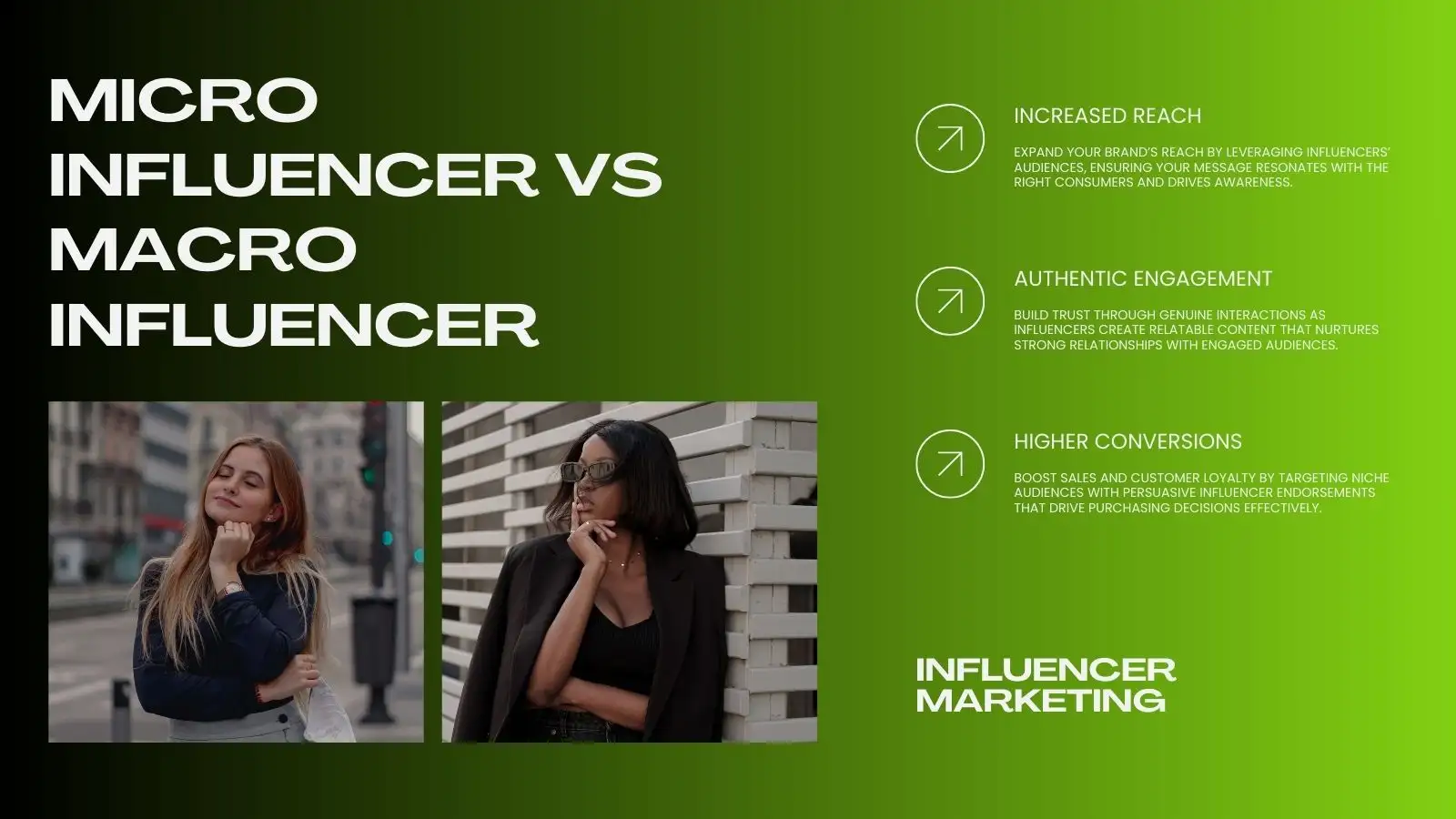

Micro-Influencers are social media personalities with follower counts ranging from 1,000 to 100,000. They are often everyday individuals who have built a loyal following around a specific interest or niche. Their content typically focuses on topics they are genuinely passionate about, whether it’s skincare, personal finance, home decor, gaming, or eco-friendly living.
Because of this niche focus, their followers tend to be more engaged and trusting of their opinions. Micro-influencers often interact with their followers through comments, DMs, and stories, making the relationship feel more personal and authentic. They are especially powerful in creating word-of-mouth buzz and driving conversions in tight-knit online communities.

Macro-Influencers, on the other hand, boast 100,000 to 1 million+ followers. These influencers have grown their audience significantly, often through consistent content creation, collaborations, and sometimes cross-platform visibility. They can include public figures, celebrities, industry experts, and professional content creators.
Macro-influencers typically cover broader topics, appealing to a wide and diverse audience. Their content is highly curated and professionally produced, often aligning with brand aesthetics and marketing campaigns. While they may not have the same level of individual engagement as micro-influencers, their posts can quickly gain massive visibility and generate high levels of brand awareness.
In essence:
Here’s a closer look at how they compare:

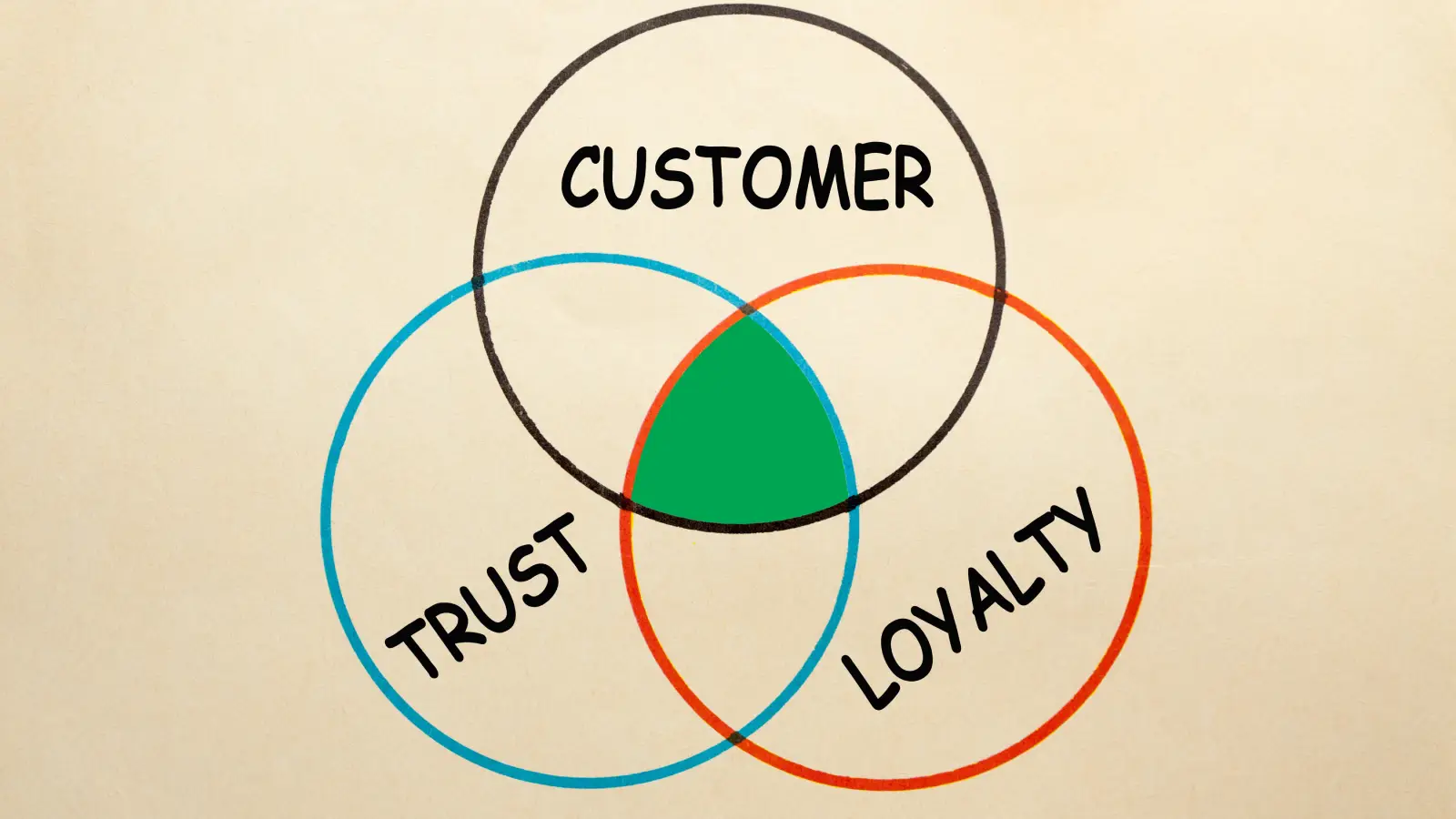



High Engagement Rates: Their smaller, niche audiences are highly engaged. Followers trust their recommendations, leading to stronger conversion potential.
Cost-Effective: You can collaborate with multiple micro-influencers for the price of one macro. This helps stretch the budget and test different audience segments.
Authenticity: Their content feels genuine and relatable—less like an ad and more like a friend’s recommendation.
Community Trust: They often have strong influence within specific niches, making them ideal for targeted marketing efforts.
Limited Reach: Smaller follower bases mean slower brand awareness unless you scale with multiple influencers.
Time-Consuming: Managing multiple micro-influencers can be logistically demanding—from outreach to content approval and reporting.
Inconsistent Content Quality: Since many are not professional creators, content may lack polish or brand consistency.
Massive Reach: Ideal for generating widespread brand visibility quickly, especially during launches or large campaigns.
Professional Content: They usually deliver high-quality, campaign-ready visuals and videos.
Streamlined Management: Easier to coordinate one macro-influencer than several micro-influencers, saving time and effort.
Cross-Platform Presence: Many are active on multiple social platforms, boosting multi-channel exposure.
Lower Engagement Rates: Larger audiences can dilute engagement; their content may feel less personal or authentic.
High Costs: Partnerships are significantly more expensive and may not always guarantee proportionate ROI.
Less Niche Targeting: Their broad audience might not be ideal if your brand serves a specific demographic.
There’s no one-size-fits-all answer when it comes to influencer marketing. The right choice between micro and macro influencers depends entirely on your business objectives, audience demographics, marketing budget, and the kind of results you’re aiming for.
Micro-influencers are often best suited for:
Macro-influencers are ideal when:

Ultimately, the right influencer strategy comes down to aligning your campaign goals with the influencer’s strengths. It’s about finding the right fit, not just the right size. Brands should assess the depth of influence, audience compatibility, and potential impact—not just the follower count.
If possible, test both options. Run small campaigns with each type of influencer, analyze the results, and double down on what delivers the best return for your brand. The Power of a Hybrid Approach
Many brands today are blending the best of both worlds—partnering with macro-influencers for visibility and micro-influencers for conversion. This hybrid strategy helps you cast a wide net while still maintaining authenticity and connection with your core audience.
Many brands today are blending the best of both worlds—partnering with macro-influencers for visibility and micro-influencers for conversion. This hybrid strategy helps you cast a wide net while still maintaining authenticity and connection with your core audience.
Using a combination of both influencer types allows businesses to enjoy the brand lift and awareness benefits from macro-influencers, while also nurturing trust and conversions through micro-influencers. For instance, a brand may work with a macro-influencer to introduce a new product to the masses, then collaborate with several micro-influencers to drive deeper conversations, product trials, and community engagement.
This approach is especially powerful in multi-phase campaigns. A macro-influencer can build momentum early on, while micro-influencers sustain the narrative and encourage grassroots sharing. Additionally, the diverse perspectives of multiple influencers help generate a wider range of creative content that can be repurposed across platforms.
From a risk management standpoint, the hybrid model also spreads investment across different types of influencers, reducing dependency on one channel and improving the chances of reaching various audience segments effectively.
To execute a successful hybrid strategy:
By combining the scale of macro-influencers with the intimacy of micro-influencers, brands can maximize their marketing impact and build a balanced, results-driven influencer strategy.

At the end of the day, there’s no universal winner. The best influencer for your business depends on your goals, audience, and budget. Whether you’re building awareness or driving sales, choosing the right influencer can elevate your brand in ways traditional marketing can’t.
It’s also important to consider your campaign timeline, your target platforms, and the type of content that best resonates with your audience. For instance, short-form video might thrive with micro-influencers on TikTok, while long-form reviews on YouTube may work better with macro-influencers.
A strong influencer marketing strategy doesn’t just hinge on numbers—it’s about relationships, alignment, and storytelling. Invest in long-term partnerships rather than one-off collaborations whenever possible, and always measure your results to refine your approach.
So before you sign that contract, ask yourself: What matters more to my business—reach or relationship?