POEM Framework in Digital Marketing: A Comprehensive Guide
The POEM Framework in Digital Marketing has emerged as a game-changer in today’s fast-paced digital landscape, where businesses constantly seek innovative strategies to capture audience attention, build brand loyalty, and drive revenue. POEM, which stands for Paid, Owned, and Earned Media, provides a comprehensive approach to designing impactful marketing campaigns.
If you’re a marketer looking to optimize your strategy or a business owner exploring ways to maximize your online presence, understanding the POEM Framework in Digital Marketing is essential. In this blog, we’ll dive deep into what the POEM framework is, its components, and how you can leverage it effectively to achieve your marketing goals.
It represents a structured method for categorizing and integrating different types of media to deliver a cohesive marketing strategy. It divides media into three distinct yet interconnected categories:
Paid Media
Owned Media
Earned Media
This framework helps marketers balance their efforts across these categories, ensuring maximum impact and return on investment (ROI).
The Components of the POEM Framework
1. Paid Media
Paid media refers to any form of marketing where you pay to promote your content or brand. This includes:
Pay-Per-Click (PPC) advertising
Social media ads on platforms like Facebook, Instagram, and LinkedIn
Display ads on websites
Influencer collaborations
Paid media is highly effective for driving immediate traffic, increasing visibility, and boosting conversions. However, it’s important to strategically allocate your budget and continuously monitor performance.
2. Owned Media
Owned media includes all the digital assets you control. Examples include:
Your website
Email newsletters
Company blogs
Social media profiles
Owned media is crucial for building a long-term brand presence. By optimizing your website for search engines and maintaining an active blog, you create a hub where your audience can engage with your brand.
3. Earned Media
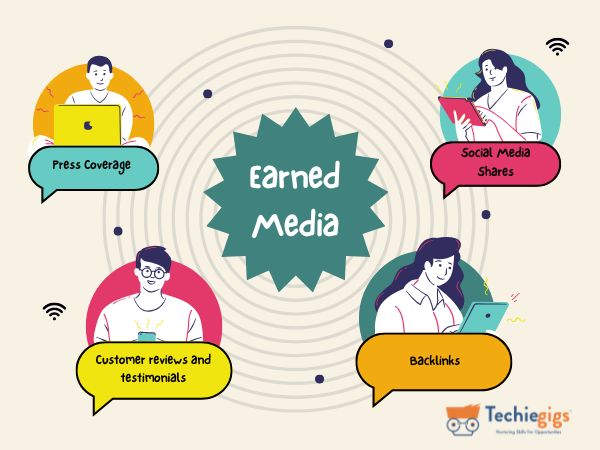
Earned media refers to organic exposure your brand receives through word-of-mouth or third-party mentions. This includes:
Press coverage
Social media shares
Customer reviews and testimonials
Backlinks from other websites
Earned media is a testament to your brand’s credibility and customer satisfaction. While it’s challenging to control, it’s incredibly impactful in building trust and authority.
Why is the POEM Framework Important in Digital Marketing?
The POEM Framework in Digital Marketing offers several advantages:
Holistic Approach: It encourages marketers to view their strategy as an interconnected ecosystem rather than isolated campaigns.
Resource Optimization: By balancing efforts across paid, owned, and earned media, you ensure that no resource is underutilized.
Enhanced Reach: Integrating all three components amplifies your brand’s reach and resonance with your target audience.
Improved ROI: A diversified media strategy helps mitigate risks and maximize returns on your marketing investments.
Implementing the POEM Framework in Digital Marketing
Now that you understand the components, let’s explore how to effectively implement the POEM Framework in Digital Marketing:
1. Define Your Goals
Begin by outlining your marketing objectives. Are you looking to increase website traffic, generate leads, or build brand awareness? Your goals will dictate how you allocate resources across paid, owned, and earned media.
2. Allocate Your Budget
While paid media requires direct investment, owned and earned media demand time and effort. Allocate your budget wisely, keeping in mind your objectives and expected ROI.
3. Create Quality Content
Content is the backbone of all three media types. Whether it’s a paid ad, a blog post on your website, or a press release, focus on creating valuable and engaging content that resonates with your audience.
4. Leverage Analytics Tools
Use tools like Google Analytics, SEMrush, and Hootsuite to monitor the performance of your campaigns. Analyze which media type drives the most engagement and optimize accordingly.
5. Integrate Your Efforts
Ensure that your paid, owned, and earned media strategies complement each other. For example:
Use paid ads to promote owned content.
Share earned media mentions on your owned channels.
Encourage organic sharing through paid campaigns.
Real-World Applications of the POEM Framework
1. E-commerce Brand Launch
An online clothing store launching a new collection can:
Invest in paid social media ads to drive traffic.
Create blog posts on their website showcasing the collection.
Encourage influencers to review the products, generating earned media.
2. Software-as-a-Service (SaaS) Company
A SaaS company looking to increase subscriptions can:
Use PPC campaigns targeting specific keywords.
Develop an extensive resource library on their website.
Garner customer testimonials and case studies for earned media.
3. Local Business Expansion
A local cafe opening a new branch can:
Run geo-targeted ads on Google.
Regularly update their social media profiles with engaging posts.
Partner with local food bloggers for reviews.
Challenges in Using the POEM Framework
While this framework is highly effective, it’s not without its challenges:
Budget Constraints: Balancing investment across paid, owned, and earned media can be difficult for small businesses.
Time-Intensive: Building owned and earned media takes time and consistent effort.
Measurement Difficulties: Tracking the ROI of earned media can be challenging, as it often involves intangible benefits like brand trust.
Tips for Success with the POEM Framework in Digital Marketing
Stay Updated: Digital marketing trends evolve rapidly. Stay informed to adapt your strategies accordingly.
Focus on Quality: High-quality content is essential for all three media types.
Engage with Your Audience: Actively interact with your audience across all platforms to foster trust and loyalty.
Final Thoughts
The POEM Framework in Digital Marketing is not just a buzzword; it’s a proven strategy that can transform your marketing efforts. By effectively balancing paid, owned, and earned media, you can create a comprehensive plan that drives results, builds your brand, and delivers long-term value.
Are you ready to implement the POEM framework in your digital marketing strategy? Let us help you craft a winning plan tailored to your business needs. Contact us today and take the first step towards digital marketing success!
We use cookiesEssential cookies keep the site working. With your permission we also use analytics and marketing cookies to understand visits and measure our ads. Read our Privacy Policy.