Imagine this: You’ve spent countless hours (and dollars) driving traffic to your website. Your ads are performing well, your SEO game is strong, and people are clicking through. But there’s a problem—visitors aren’t converting. They browse, they scroll, and then… they leave.
Frustrating, right? That’s where Conversion Rate Optimization (CRO) comes in.
CRO is the secret sauce behind turning casual visitors into loyal customers. It’s not just about getting more people to your site—it’s about making every visitor count. By refining your website, optimizing key elements, and understanding user behavior, you can skyrocket conversions without spending extra on traffic acquisition.
In this guide, we’ll break down the fundamentals of CRO, the strategies that work, and the best conversion rate optimization tools to help you maximize your results. Ready to turn clicks into customers? Let’s dive in!
Conversion Rate Optimization (CRO) is the systematic process of increasing the percentage of website visitors who complete a desired action. This action could be anything from making a purchase to signing up for a newsletter, downloading an eBook, or filling out a form.
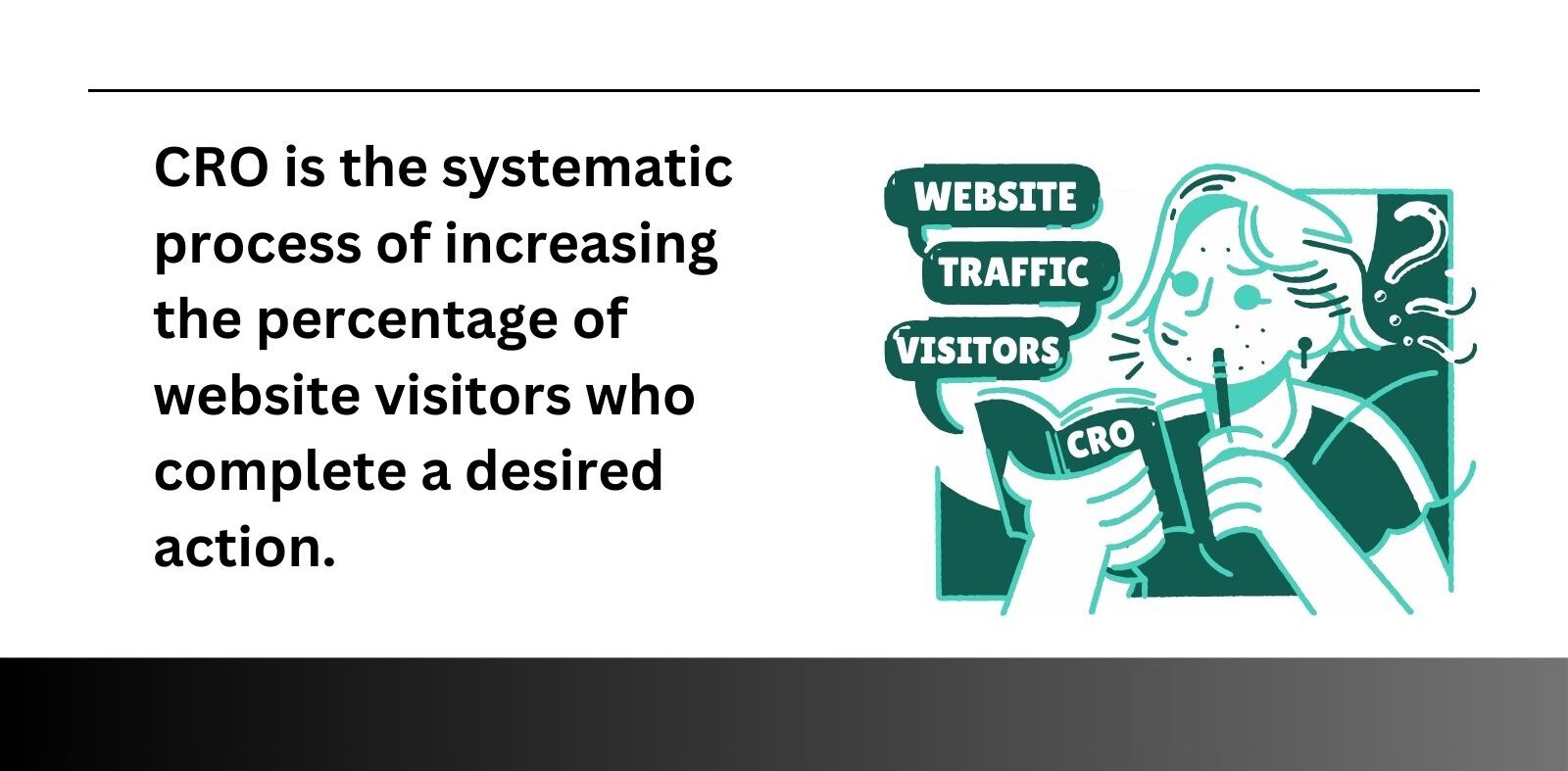
Unlike simply driving more traffic to your website, CRO focuses on making the most of the traffic you already have by improving user experience, simplifying the conversion process, and addressing potential barriers that prevent visitors from taking action.
CRO is a data-driven approach that involves analyzing user behavior, testing different elements, and making strategic adjustments to enhance engagement and conversions. The process typically includes:
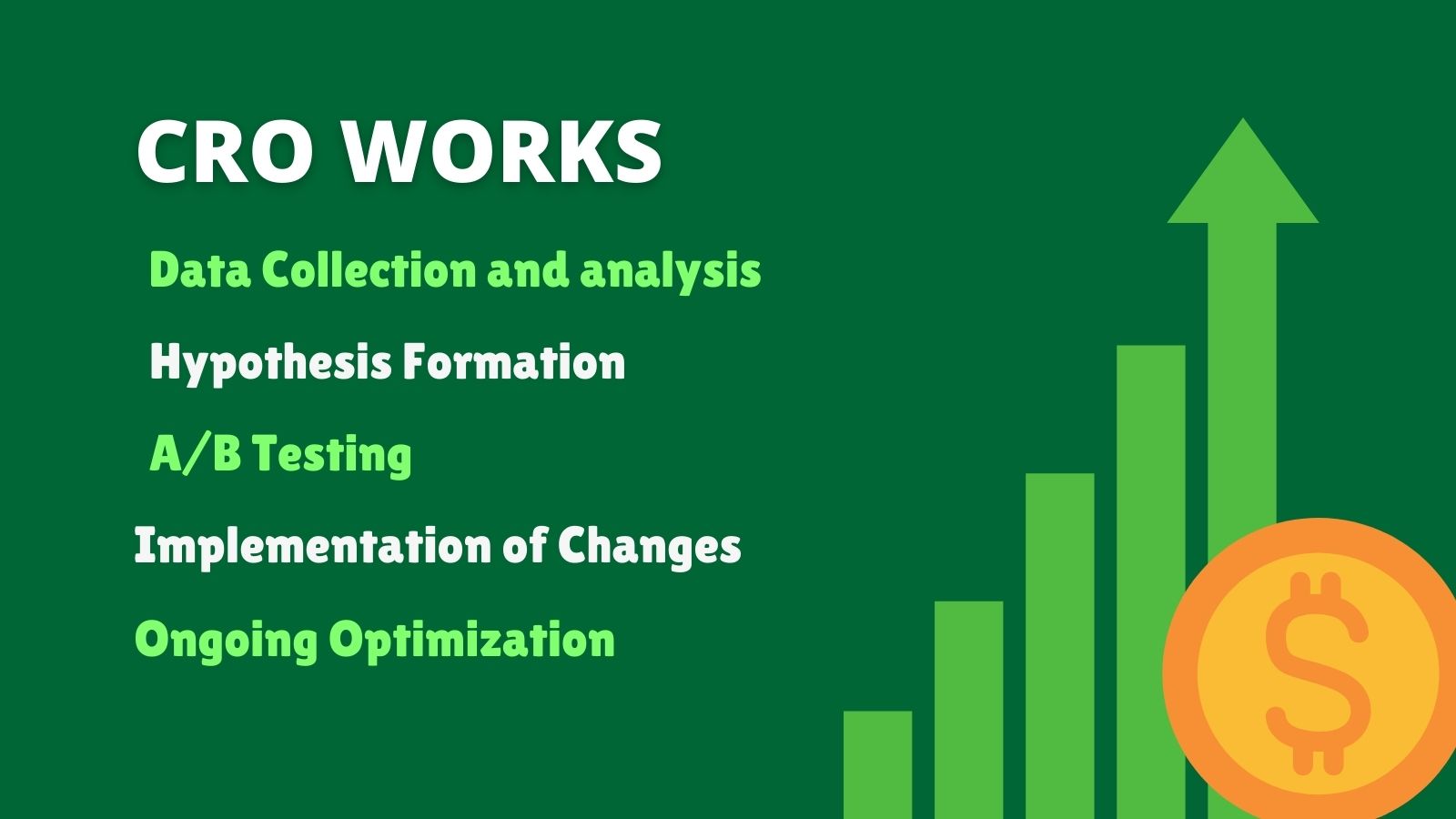
3. A/B Testing – Running experiments to compare different versions of a page or element to determine which one performs better.
4. Implementation of Changes – Applying the winning variation and continuously monitoring its performance.
5. Ongoing Optimization – CRO is not a one-time task; it requires ongoing analysis and refinements to ensure sustained improvements.
A strong CTA is crucial in guiding users toward the desired action. Whether it’s a “Buy Now,” “Sign Up,” or “Download Free Guide”, a well-crafted CTA should be clear, compelling, and action-oriented.
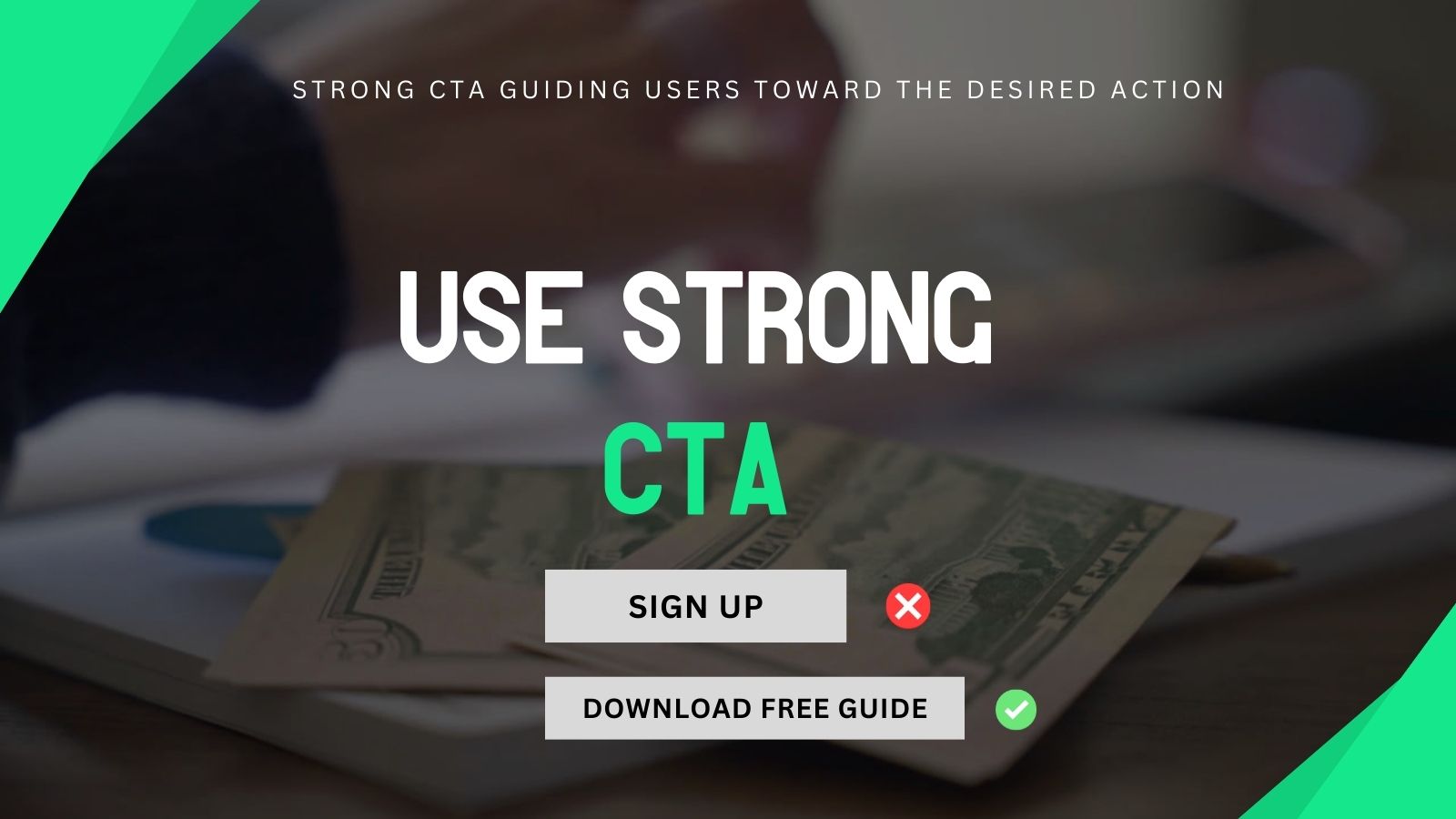
Best Practices for CTAs:
CRO Tip: Test different CTA button colors, wording, and placements to see what works best.
A website that is confusing or difficult to navigate can drive potential customers away. Smooth navigation enhances user experience and keeps visitors engaged, making it easier for them to take action.
Best Practices for Website Navigation:
CRO Tip: Use heatmaps and session recordings to identify navigation bottlenecks.
With mobile devices accounting for the majority of internet traffic, having a mobile-friendly website is no longer optional. If your website isn’t optimized for mobile users, you’re likely missing out on a huge chunk of potential conversions.

Best Practices for Mobile CRO:
CRO Tip: Ensure fast load times, touch-friendly buttons, and a responsive design.
CRO is not about guessing—it’s about testing. A/B testing allows you to compare two versions of a webpage to see which one converts better. Multivariate testing goes a step further by testing multiple elements at once.
Best Practices for Testing:
CRO Tip: Test different headlines, images, CTAs, and layouts to find the highest-converting combination.
Human psychology plays a huge role in CRO. Certain triggers can create a sense of urgency and build trust, influencing visitors to take action.
Powerful Psychological Triggers:
CRO Tip: Incorporate social proof, urgency, and trust signals to influence buyer behavior.
Understanding how visitors interact with your site helps pinpoint friction points. By using analytics tools, heatmaps, and user session recordings, businesses can identify where users drop off and optimize those weak areas.
Best Practices:
CRO Tip: Use tools like Hotjar and Crazy Egg to track mouse movements, clicks, and scrolling behavior.
Personalization allows you to tailor content, offers, and user experiences based on behavior, demographics, or preferences. When visitors feel a site is relevant to them, they are more likely to convert.
Best Practices:
CRO Tip: Dynamic landing pages that adjust based on a visitor’s preferences increase engagement.
Your landing page is one of the most crucial touchpoints for conversions. It should be clear, compelling, and distraction-free to keep visitors focused on taking action.
Best Practices:
CRO Tip: Keep forms short, highlight benefits, and remove unnecessary distractions.
A complex checkout process is a major reason for cart abandonment. The easier you make it for users to complete a purchase, the higher your conversions.
Best Practices:
CRO Tip: A seamless and fast checkout experience can drastically reduce abandonment rates.
People are more likely to convert when they see that others trust and value a product or service. Social proof builds credibility and removes uncertainty.
Best Practices:
CRO Tip: Show testimonials prominently and include user-generated content to boost credibility.
Using the right tools makes CRO data-driven and efficient. Here are some must-have tools:

Hotjar provides in-depth behavior analysis through heatmaps, session recordings, and surveys to understand where users click, scroll, and drop off. This helps businesses refine their website layouts and improve UX for better conversions.
Optimizely is a powerful A/B testing platform that allows businesses to test different website versions, personalized content, and user experiences. It enables data-driven decision-making for increasing conversions.
Unbounce specializes in creating high-converting landing pages with built-in A/B testing, drag-and-drop customization, and AI-driven content optimization. It’s an excellent tool for marketers looking to drive conversions without coding knowledge.

Google Optimize integrates seamlessly with Google Analytics, allowing marketers to run experiments on different website elements for free. It’s an excellent tool for small businesses looking to optimize their conversion rate without incurring additional costs.
Crazy Egg provides detailed click-tracking, heatmaps, and user recordings to help businesses identify areas of improvement on their website. With tools like A/B testing and scroll maps, it offers data-driven insights for enhancing user engagement.
VWO is an all-in-one CRO platform offering A/B testing, heatmaps, session recordings, and behavioral targeting. It helps businesses optimize website performance based on real user data, ensuring better conversions.
Convert.com is designed for enterprise businesses that require advanced testing capabilities. It features A/B testing, split testing, and personalization options, helping large-scale companies refine their digital experience.
Conversion Rate Optimization (CRO) isn’t a one-time fix—it’s an ongoing strategy to maximize your website’s potential. By implementing CRO best practices, using data-driven insights, and leveraging the right tools, businesses can turn more visitors into customers, leading to higher revenue and long-term success.
If you’re serious about conversion rate optimizing marketing, now is the time to invest in a CRO strategy that refines your website, enhances user experience, and drives results.