
Email marketing in digital marketing continues to thrive as a critical component of a comprehensive digital strategy, offering unmatched direct engagement with audiences. This blog post will focus on defining email marketing, exploring effective strategies, the different types available, steps to get started, and the pros and cons of using this powerful tool.
Email marketing in digital marketing is the practice of sending targeted messages directly to a list of subscribers via email. These messages, ranging from promotional content to customer engagement letters, serve as a direct line of communication that can personalize the consumer experience and enhance brand loyalty. The strength of email marketing in digital marketing lies in its ability to deliver personalized and timely messages to a segmented audience, making it an indispensable tool in digital marketing.

Email marketing in digital marketing differs from other forms of communication due to its permission-based nature. Subscribers voluntarily provide their email addresses, allowing marketers to send content tailored to their interests and needs. This form of marketing is used across industries for product announcements, newsletters, re-engagement campaigns, and transactional communications.
A well-planned email marketing strategy forms the backbone of successful digital marketing campaigns. It involves defining goals, understanding the audience, crafting engaging content, and continuously optimizing performance based on analytics. Here are some essential components of a successful email marketing strategy:
Email marketing in digital marketing encompasses various types of emails, each designed to achieve specific objectives. Understanding these types helps businesses deliver the right message to the right audience at the right time.
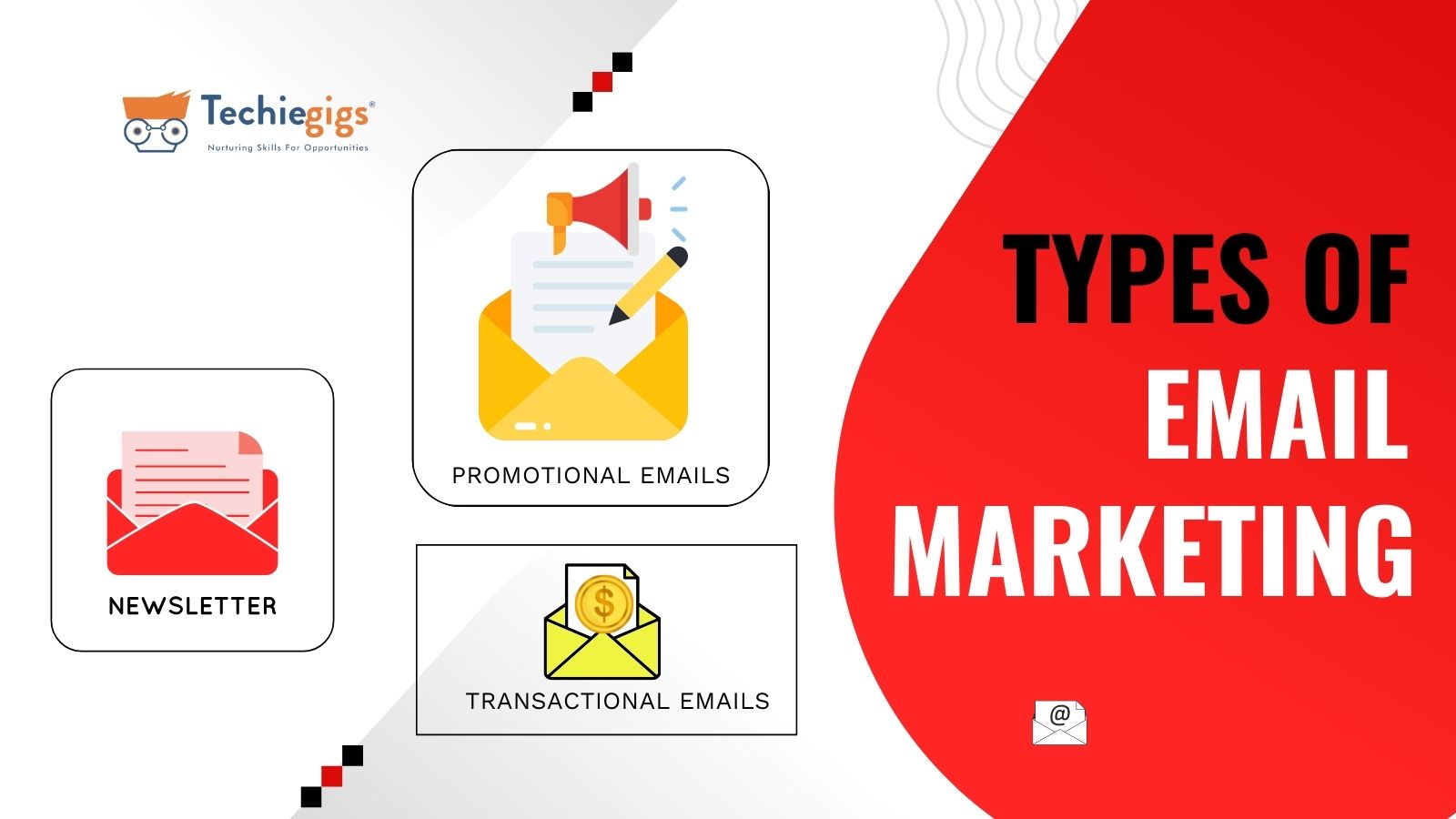
Each type serves a distinct purpose, and a balanced mix ensures a well-rounded email marketing strategy. By using a combination of these email types, businesses can cater to different stages of the customer journey and maintain a dynamic communication flow.
Launching a campaign of email marketing in digital marketing requires a strategic approach. Follow these steps to get started:
1. Choose the Right Platform: Select an email marketing service provider that offers automation, segmentation, analytics, and customizable templates. Popular platforms include Mailchimp, HubSpot, and Constant Contact.
2. Build Your Email List: Use sign-up forms, lead magnets, and social media promotions to grow a list of engaged subscribers. Offer incentives like discounts, free resources, or exclusive content to encourage sign-ups.
3. Segment Your Audience: Divide your list into relevant segments to tailor content based on subscriber characteristics and behaviors. Segmentation can be based on demographics, purchase history, engagement levels, and more.
4. Craft Compelling Content: Focus on delivering value through informative, engaging, and visually appealing emails. Use a mix of text, images, and interactive elements to keep your emails engaging.
5. Test and Optimize: Use A/B testing to experiment with different subject lines, content, and CTAs, then analyze results to optimize future campaigns. Regular testing helps identify what resonates best with your audience.
6. Ensure Compliance: Adhere to email marketing regulations, such as GDPR and CAN-SPAM, by obtaining consent and providing easy opt-out options. Transparency and ethical practices build trust and protect your brand’s reputation.
7. Monitor Performance Metrics: Track open rates, click-through rates, conversion rates, and unsubscribe rates to gauge the effectiveness of your campaigns. Use these insights to refine your content, timing, and segmentation strategies.
Email marketing in digital marketing remains a powerful, cost-effective way to connect with audiences, nurture relationships, and drive conversions. By understanding its types, implementing strategic practices, and acknowledging its advantages and challenges, businesses can harness the full potential of this marketing channel. Start today by defining your goals, segmenting your audience, and crafting messages that resonate, and watch your email marketing efforts flourish in the digital landscape.