

If you want to rank on Google, drive consistent organic traffic, and create content people actually search for, keyword research is where everything begins. It is the foundation of every successful SEO strategy — yet it’s one of the most misunderstood skills for beginners.
In today’s SEO landscape, keyword research is no longer just about finding high-volume keywords. Search intent, topical relevance, content quality, and long-tail keyword targeting play a massive role in ranking success. Whether you are building a blog, an e-commerce store, a local business website, or a niche affiliate site, learning how to do keyword research properly can dramatically improve your visibility and traffic
Key Takeaways- Keyword Research for SEO
- Keyword research = foundation of SEO — it helps you find what people are actually searching for.
- Without it, your content may never rank or get traffic.
- Focus on search intent, not just search volume.
- Start with seed keywords, then expand into long-tail keywords (easier to rank).
- Use tools like Google Keyword Planner and Ubersuggest to discover opportunities.
- Always analyze competition + SERP results before choosing a keyword.
- Organize keywords into a content structure (pillar + clusters) for better rankings.
In short: Find the right keywords → match intent → create optimized content → rank faster.
Table of Contents
What is keyword research and why does it matter?
Key concepts to understand first
Step-by-step: how to do keyword research
Best free keyword research tools
Keyword research for specific use cases
Common keyword research mistakes to avoid
What is keyword research and why does it matter?
Keyword research is the process of finding and analyzing search terms that people use in search engines to create content that ranks and drives traffic.
If SEO is a game, keyword research is the rulebook. Without it, you’re essentially guessing what your audience wants—and guessing is expensive when it comes to time, effort, and rankings.
Many beginners make the mistake of writing content based on what they think people are searching for. The result? Articles that get little to no traffic, even after months of effort. That’s exactly why skipping keyword research can quietly kill your SEO strategy before it even begins.
Why skipping keyword research kills SEO efforts?
- You create content no one searches for
- You target keywords that are too competitive
- You fail to match user intent
- Your rankings stay stuck beyond page 2
What you’ll learn in this guide:
- Core keyword research concepts
- A step-by-step framework to find keywords
- Free tools to use
- How to find long-tail keywords
- Mistakes to avoid
Key concepts to understand first
Before jumping into tools and techniques, you need to understand a few foundational concepts.
Search Volume: what it means and when to care
Search volume refers to the number of times a keyword is searched in a month.
But here’s the catch: higher volume doesn’t always mean better.
A keyword with 10,000 searches might be extremely competitive, while a keyword with 300 searches could be easier to rank and bring more targeted traffic.
Focus on relevance + intent, not just volume.
Keyword Difficulty explained simply
Keyword difficulty (KD) measures how hard it is to rank for a keyword.
- High KD → Strong competition (big websites dominate)
- Low KD → Easier to rank
Beginners should aim for low to medium difficulty keywords.
Search Intent: the 4 types
Search intent is the reason behind a user’s query. Google prioritizes content that matches intent.
1. Informational
User wants to learn something
Example: “what is SEO”
2. Navigational
User wants to visit a specific site
Example: “Facebook login”
3. Commercial
User is researching before buying
Example: “best SEO tools”
4. Transactional
User is ready to take action
Example: “buy SEO course”
If your content doesn’t match intent, it won’t rank—no matter how good it is.
Seed keywords vs long-tail keywords
- Seed keywords → Broad, high competition
Example: “digital marketing” - Long-tail keywords → Specific, lower competition
Example: “digital marketing course for beginners in India”
Long-tail keywords are where beginners win.
Step-by-step: how to do keyword research
Let’s break down a practical workflow you can follow every time.
Step 1 — Brainstorm seed keyword topics
Start with broad topics related to your niche.
Example (Digital Marketing niche):
- SEO
- Social media marketing
- Content marketing
- Google Ads
These are your seed keywords.
Step 2 — Expand using a keyword research tool
Use tools to generate keyword ideas from your seed terms.
Popular tools include:
- Google Keyword Planner
- Ubersuggest
- Ahrefs
These tools help you discover:
- Keyword variations
- Questions people ask
- Related search terms
Step 3 — Filter by search volume and keyword difficulty
Now narrow down your list.
Look for:
- Decent search volume (100–1000 for beginners)
- Low to medium difficulty
Avoid keywords dominated by big brands early on.
Step 4 — Analyse search intent for each keyword
Search the keyword on Google and analyze results.
Ask:
- Are results blog posts, videos, or product pages?
- What type of content is ranking?
Match your content format with what Google already ranks.
Step 5 — Check the SERP and competitor content
Look at top-ranking pages:
- Content length
- Structure
- Use of visuals
- Depth of information
Find gaps:
- Missing points
- Outdated information
- Poor structure
Your goal is to create better, more useful content.
Step 6 — Organise keywords into a content map
Group similar keywords into clusters.
Example:
- Pillar: SEO
- Subtopics:
- Keyword research
- On-page SEO
- Technical SEO
This creates a strong internal linking structure.
Best free keyword research tools
Here are some powerful free tools you can use:
1. Google Keyword Planner

- Best for search volume data
- Requires Google Ads account
- Great starting point
2. Google Search Console
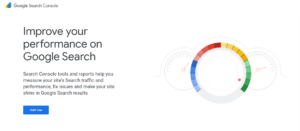
- Shows keywords you already rank for
- Helps optimize existing content
3. Ubersuggest

- Beginner-friendly interface
- Provides keyword ideas and difficulty
4. AnswerThePublic

- Great for finding questions
- Useful for blog topics
5. Ahrefs (Free tools)

- Keyword generator
- SERP analysis
- Limited free access
How to find long-tail keywords
Long-tail keywords are the easiest way to get traffic, especially for new websites.
Why long-tail keywords win
- Lower competition
- Higher conversion rates
- More targeted audience
Google autocomplete method
Type your keyword in Google and note suggestions.
Example:
“keyword research for…”
→ keyword research for beginners
→ keyword research for blog
“People Also Ask” mining
Google shows related questions—these are content goldmines.
Use them for:
- Blog headings
- FAQ sections
Forum and Reddit mining
Platforms like Reddit reveal real user queries.
Look for:
- Questions people repeatedly ask
- Problems they face
This helps you create highly relevant content.
Keyword research for specific use cases
Keyword research for blog posts
- Focus on informational keywords
- Target long-tail queries
- Use question-based keywords
Keyword research for e-commerce product pages
- Target transactional keywords
- Include modifiers:
- Buy
- Best
- Price
- Discount
Example:
“buy wireless headphones under 2000”
Keyword research for local businesses
- Use location-based keywords
- Optimize for “near me” searches
Example:
“digital marketing course in Mumbai”
Common keyword research mistakes to avoid
Targeting high-volume, high-difficulty keywords too early
Beginners often aim for big keywords and fail to rank.
Start small, then scale.
Ignoring search intent
If your content doesn’t match intent, it won’t rank—even with backlinks.
Keyword cannibalization explained
This happens when multiple pages target the same keyword.
Example:
- Two blogs targeting “keyword research guide”
Result:
- Both pages compete with each other
Solution: One keyword = one page.
FAQ (People Also Ask targets)
Q. How long does keyword research take?
It can take 1–3 hours for a single blog, but it becomes faster with practice.
Q. How many keywords should I target per page?
- 1 primary keyword
- 3–5 secondary keywords
Q.Is keyword research still important in 2026?
Yes—more than ever. But now it’s about intent + quality, not just keywords.
Q. What is a good search volume for a keyword?
There’s no fixed number.
- Beginners: 100–1000 searches/month
- Advanced sites: 1000+
Even low-volume keywords can drive valuable traffic.
Q. What are long-tail keywords in SEO?
Long-tail keywords are longer and more specific search phrases, usually containing 3 or more words.
Example: “keyword research for beginners”
They are easier to rank for and often bring highly targeted traffic.
Conclusion— Next steps
Keyword research is the foundation of successful SEO. If you get this right, everything else becomes easier—from content creation to ranking on Google.
Quick recap
- Start with seed keywords
- Expand using tools
- Filter by difficulty and volume
- Match search intent
- Analyze competitors
- Build a content strategy
What to do next?
Now that you understand keyword research, the next step is optimizing your content.
Move to the On-Page SEO guide to learn how to rank your content effectively.
Want to master SEO faster?
If you want to go beyond basics and learn:
- Advanced keyword strategies
- Real-world SEO case studies
- AI-powered SEO workflows
Enroll in our Digital Marketing Course and start ranking like a pro.